English
 Español

Choosing the correct laboratory incubator capacity is important for efficient workflows, stable temperature control and future laboratory needs. Capacity is normally stated in litres, but the largest model is not always the most suitable choice.
Before purchasing an incubator, users should consider sample dimensions, shelf arrangement, loading frequency, airflow and available installation space.
Start by identifying the type, number and dimensions of the containers that will be placed inside the incubator. These may include Petri dishes, culture bottles, flasks, trays or sample racks.
The internal cavity must provide enough height, width and depth for the samples. Shelf spacing should also be adjustable when containers have different heights.
The stated capacity represents the total internal volume, but not every part of the cavity should be filled. Space must remain around samples so heated or cooled air can circulate properly.
Overloading the incubator or placing samples directly against the cavity walls may restrict airflow and create temperature differences between locations. Users should therefore evaluate practical loading capacity rather than relying only on the litre rating.
A small incubator may be suitable for routine testing with limited sample numbers. Laboratories processing multiple batches or larger sample volumes may require a medium or large-capacity model.
Consider how frequently the incubator will be loaded and whether different samples need to be separated. In some situations, two smaller incubators may provide greater flexibility than one large unit because they can operate at different temperatures.
Larger internal capacity also means a larger external footprint. Before ordering, measure the available laboratory space, doorways, corridors and lifts through which the equipment must pass.
Allow sufficient clearance around the incubator for ventilation, door opening, maintenance and safe operation. The local power supply should also match the selected model.
Choosing a model with some additional capacity can support future growth, but purchasing an oversized incubator may use more laboratory space and energy than necessary.
The best option should balance current workload, expected growth, temperature-performance requirements and operating efficiency.
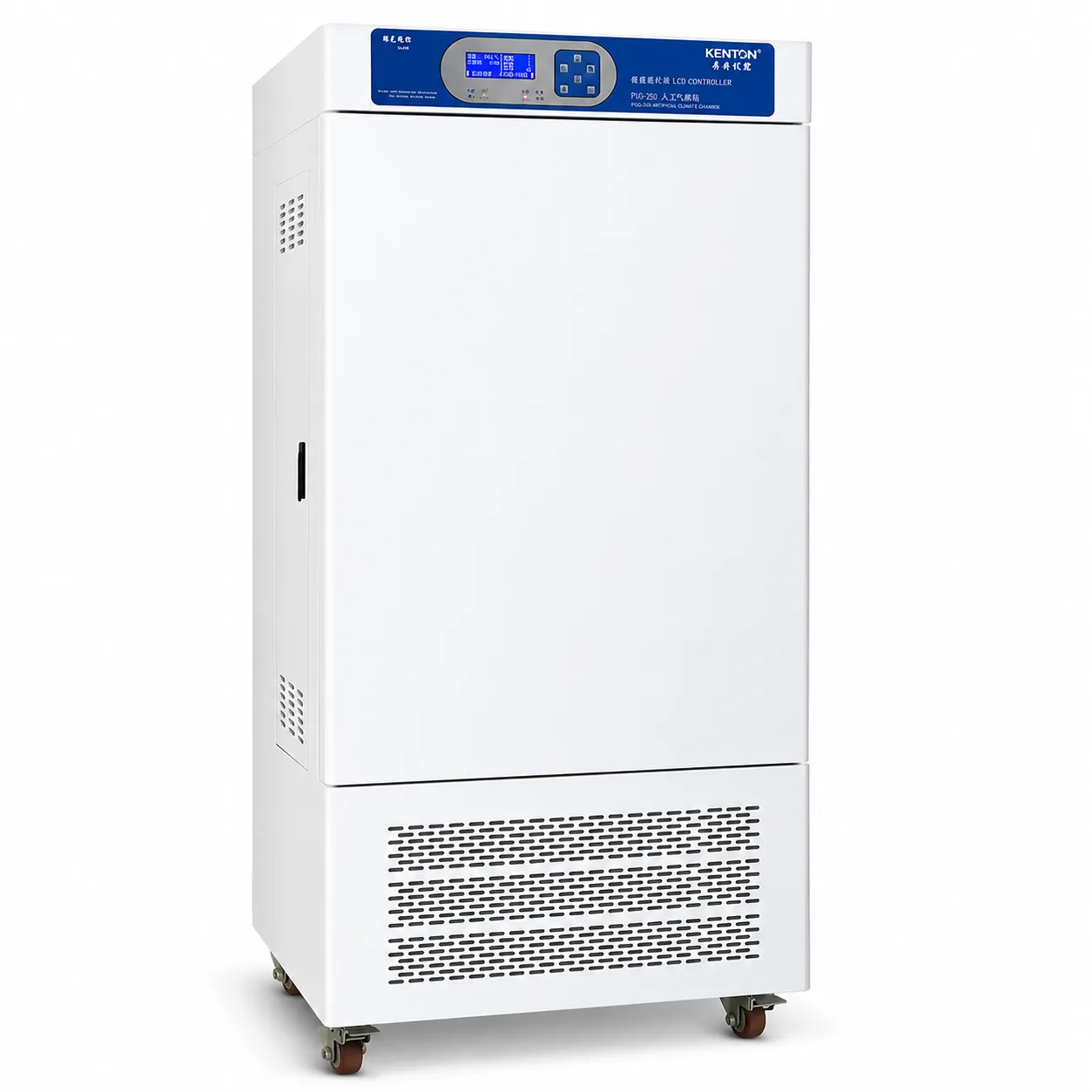
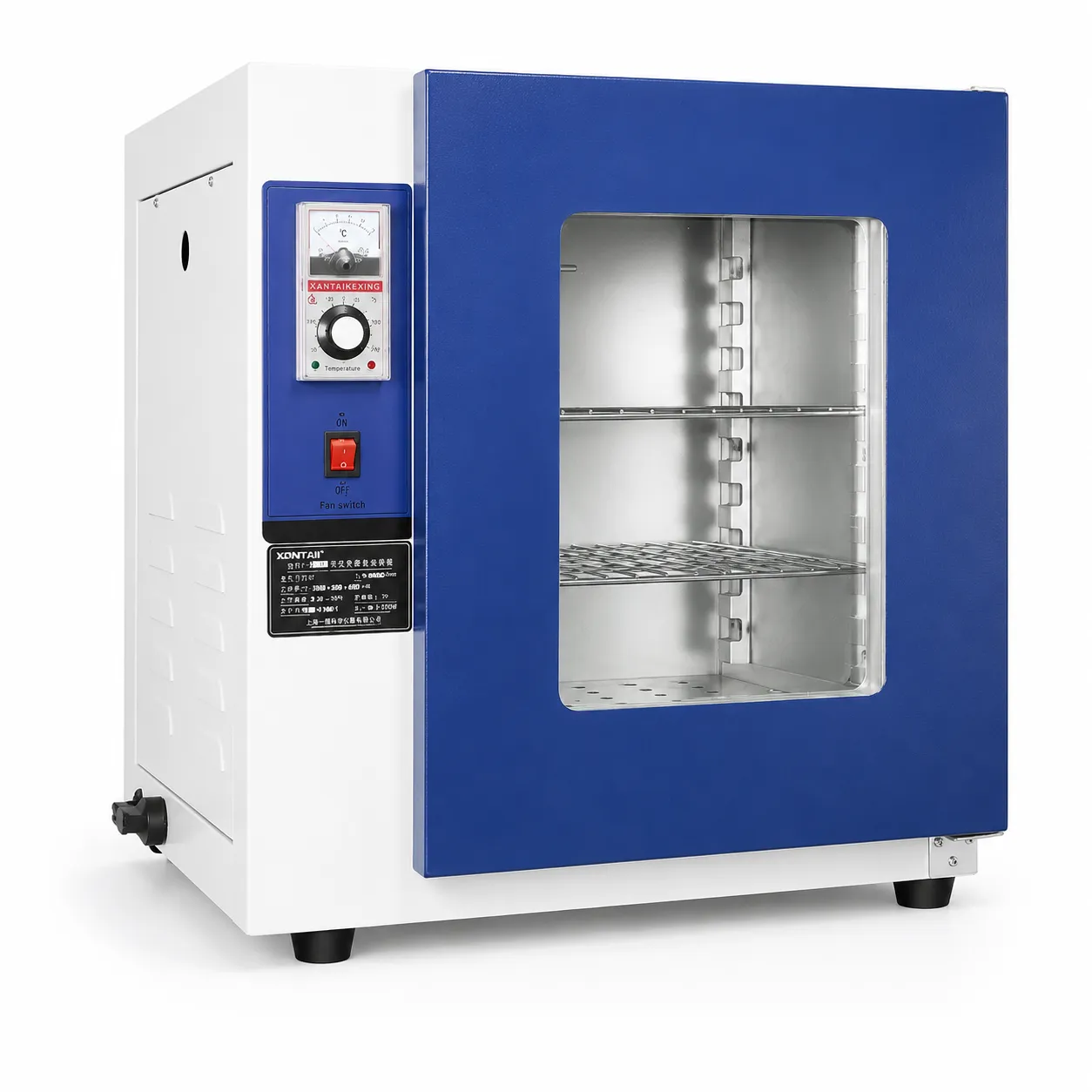
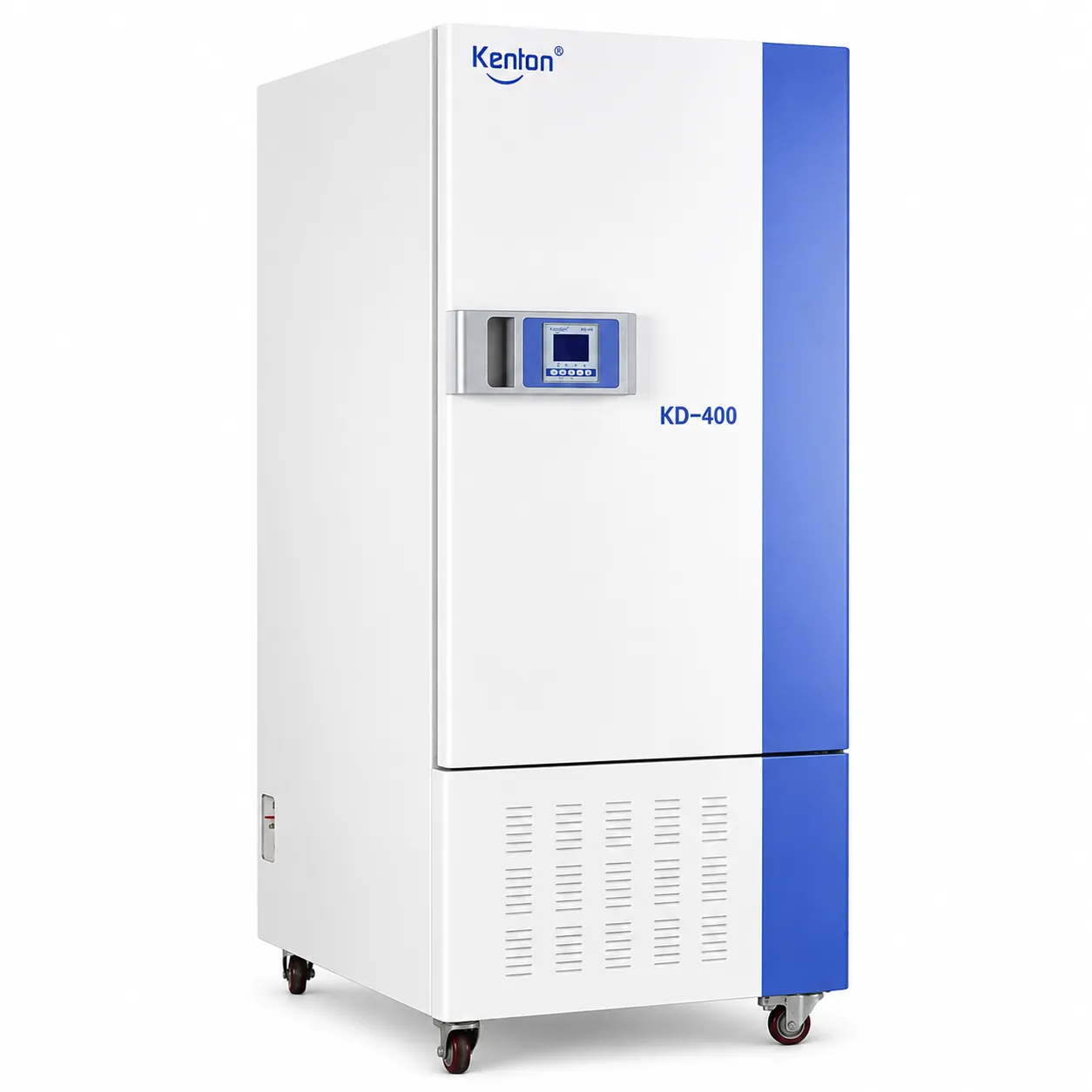
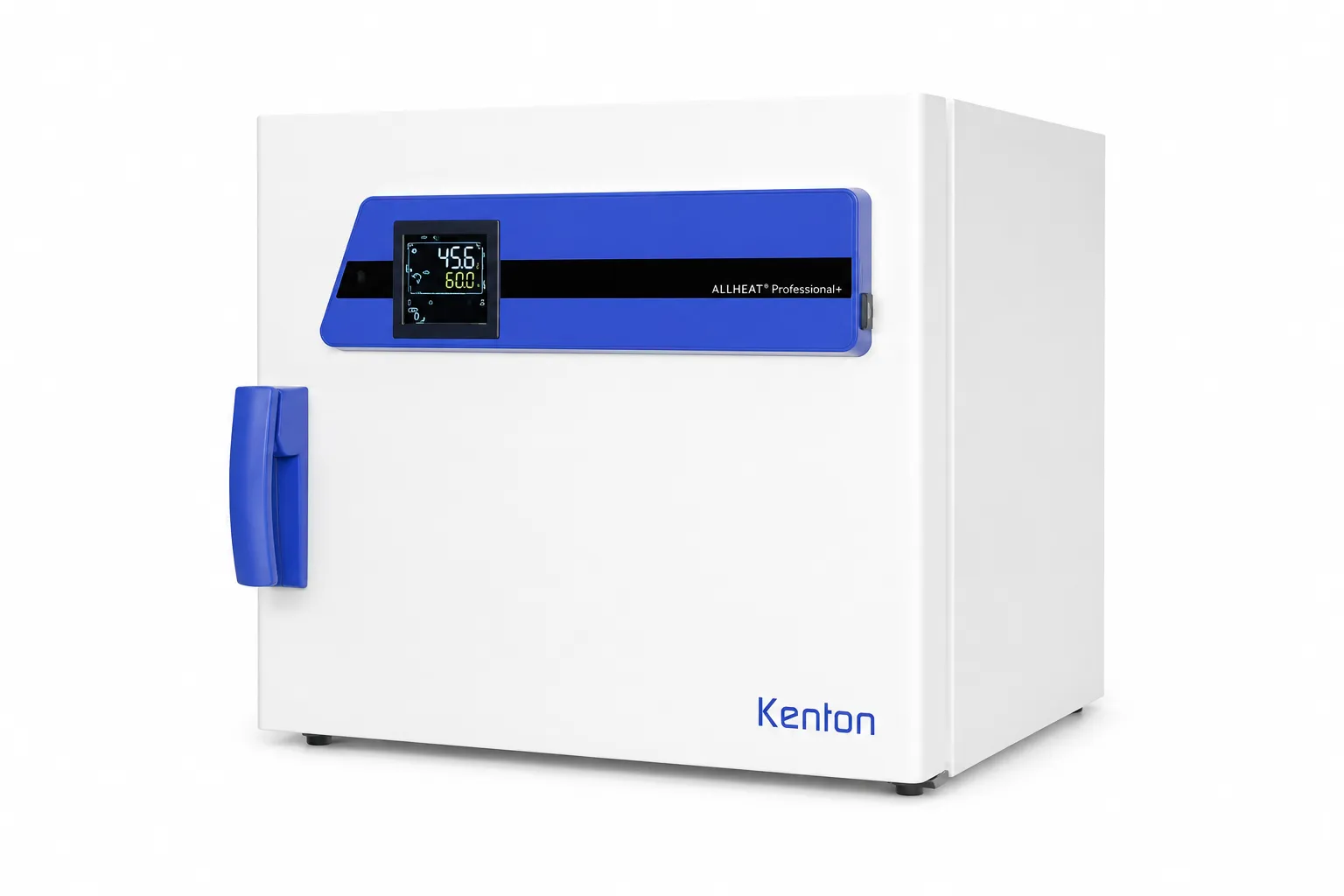
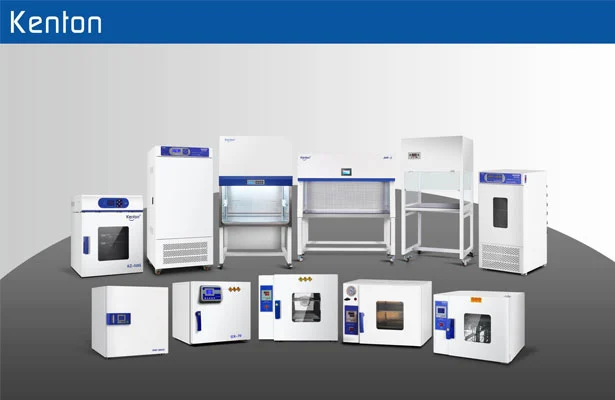
Kenton provides laboratory incubators in different capacities and configurations for microbial cultivation, biological research, environmental testing and cell culture. Available options include constant-temperature, biochemical, BOD, temperature-humidity, CO₂ and tri-gas incubators.
For help selecting the appropriate model, capacity or customised configuration, contact Kenton at kenton@kentonchina.com.