English
 Español

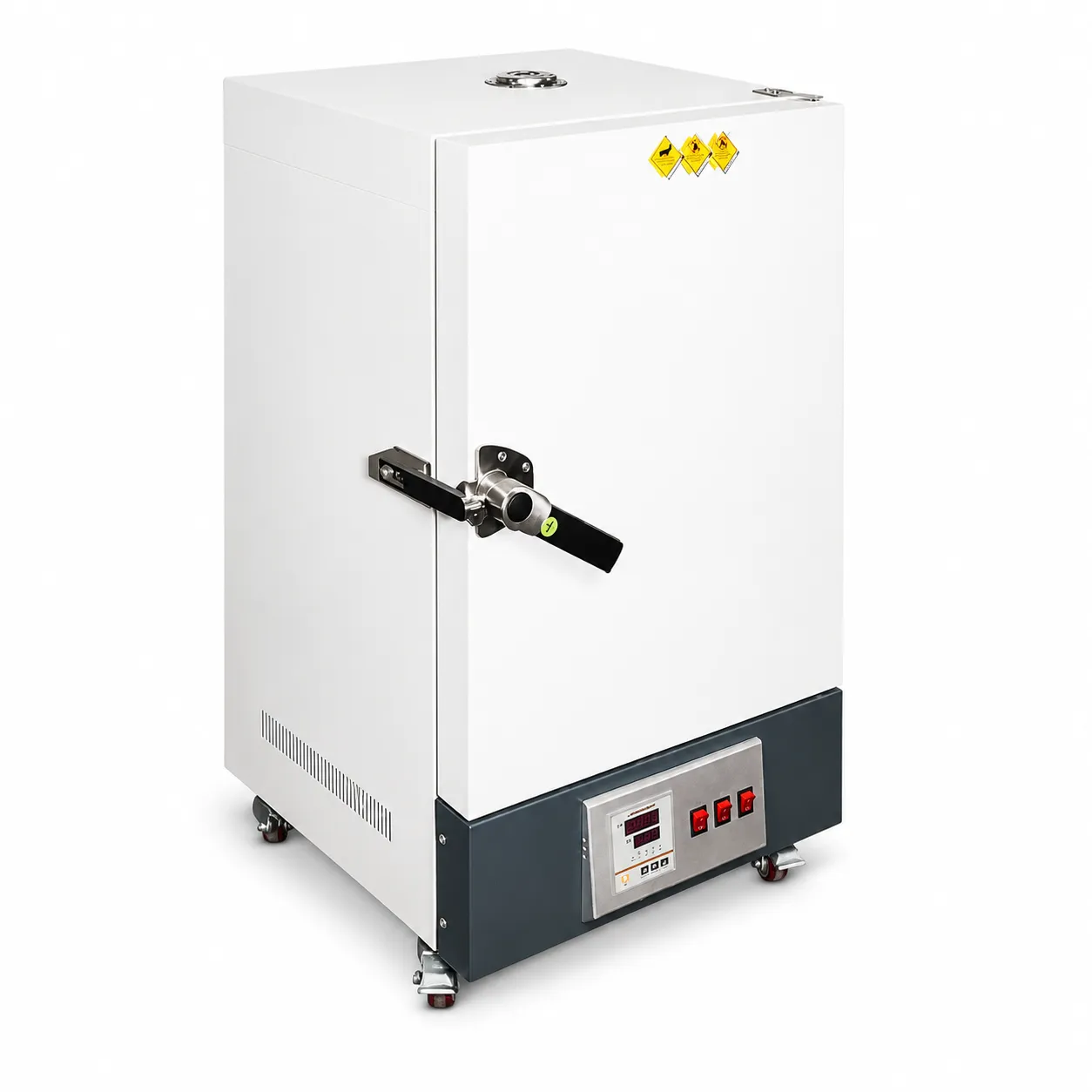
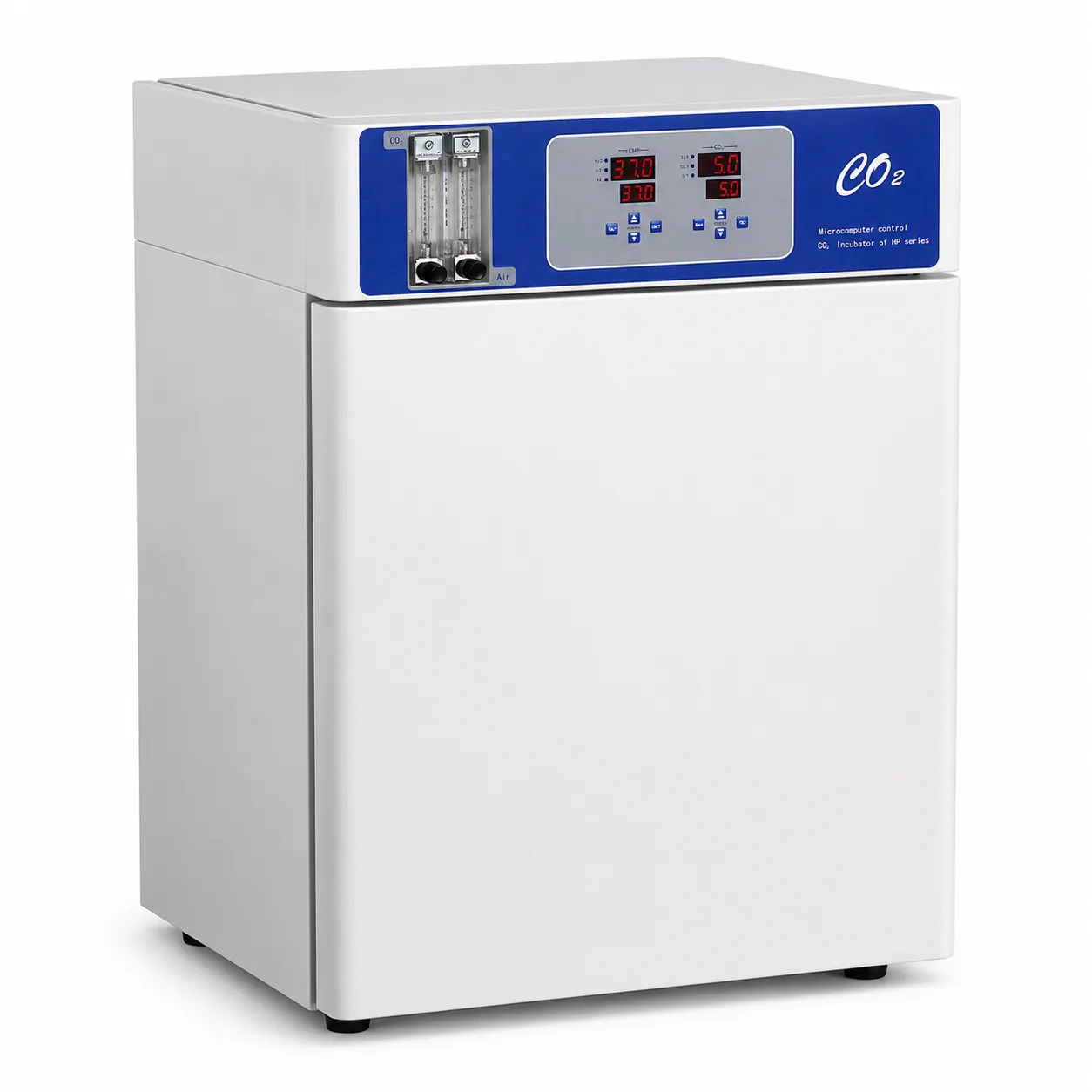
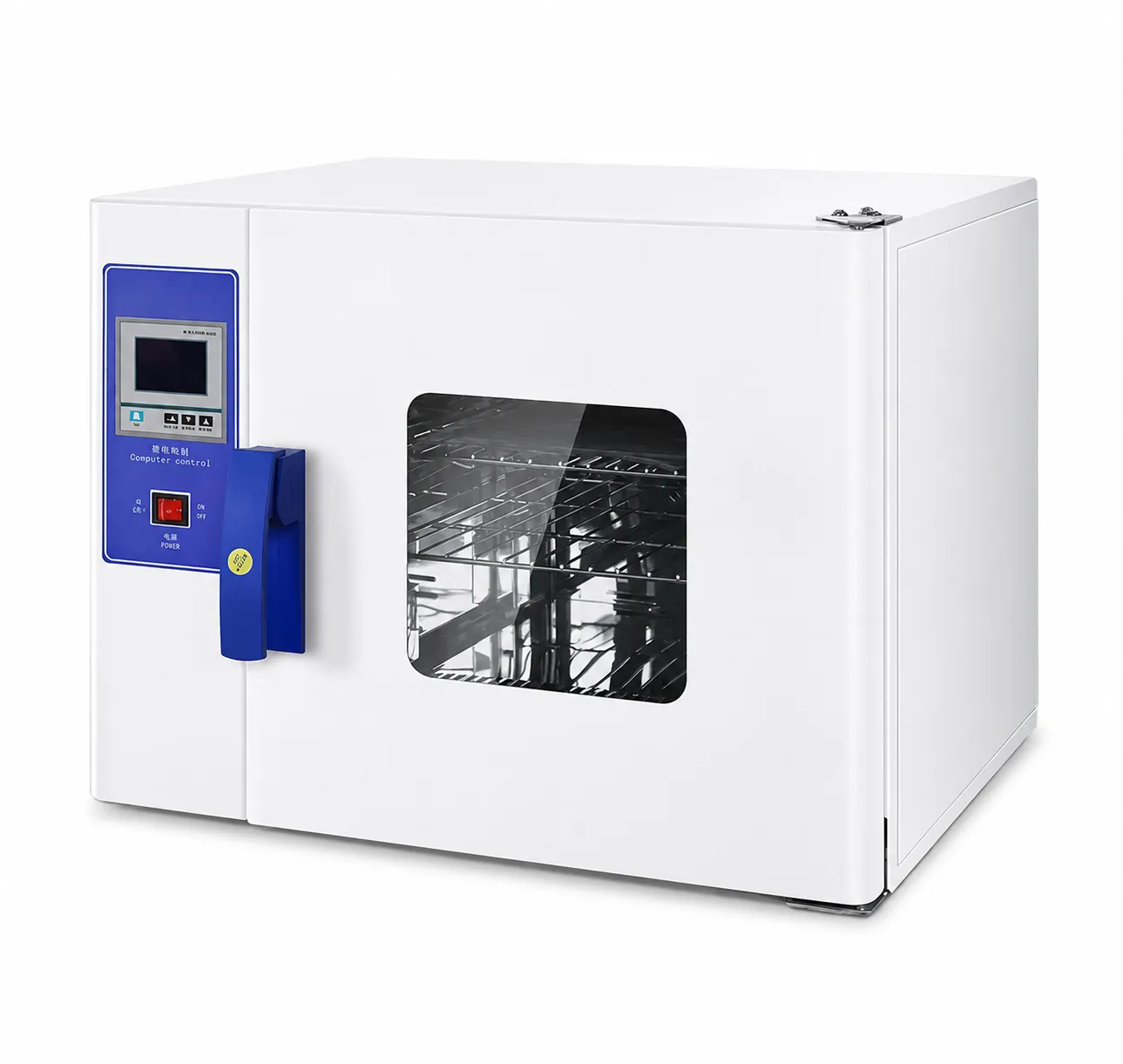
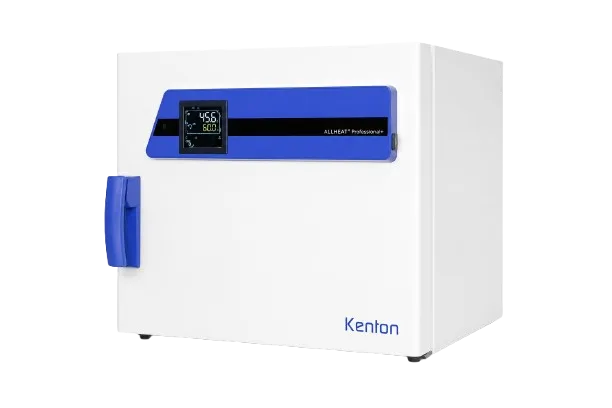
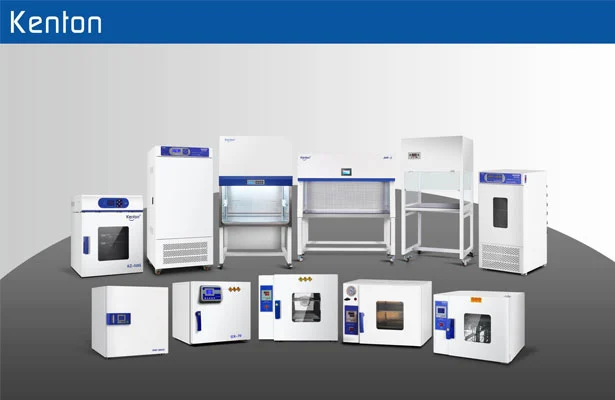
An environmental test chamber is used to expose products or samples to controlled conditions so teams can observe stability, aging or performance under defined environments. The most effective purchase begins with the test protocol: what conditions must be created, how long they must be maintained, how samples are loaded and what evidence is needed to accept the results. Kenton offers temperature-humidity and stability chamber options for laboratory and industrial testing, but the required profile should determine the equipment configuration.
A test profile is the planned sequence of environmental setpoints, dwell periods, ramps and transitions used during a test. Before selecting a chamber, document the target temperature and humidity, allowable tolerances, cycle duration, transition rates and any lighting or other environmental requirement. If the method specifies a standard or customer procedure, use its conditions as the starting point rather than inventing a more demanding profile without a technical reason.
Separate the required test condition from the chamber’s advertised maximum capability. A unit may reach a setpoint but still be unsuitable if it cannot maintain the condition under the intended load or recover within the time allowed by the method. Confirm the worst-case combination of temperature, humidity and loading, because the usable operating envelope may be narrower than each individual range suggests.

Temperature range defines the chamber conditions it can generate, while humidity range defines the moisture levels available at specified temperatures. These variables interact: not every humidity setting is achievable at every temperature, and condensation or frost may affect certain profiles. Request an operating-envelope chart or written confirmation for the specific combinations required by the test plan.
For pharmaceutical stability work, packaging evaluation or material conditioning, confirm whether humidity control is required continuously, only during selected steps, or not at all. Kenton’s environmental chamber supplier range includes temperature-humidity and stability chamber options. The enquiry should state the test profile and applicable method so the supplier can identify an appropriate configuration.
A stability chamber is environmental test equipment used to maintain specified storage conditions for studies such as pharmaceutical stability testing. Regulated users should distinguish the chamber’s technical capability from the wider study design, quality procedures and regulatory expectations. A machine’s feature list alone does not demonstrate that a particular stability programme is compliant.
ICH stability guidance describes the study conditions and principles used to evaluate the quality of drug substances and products over time. Buyers should confirm the applicable guidance, study protocol, storage condition, monitoring and excursion-handling procedure with their quality or regulatory team. Where a specialized humidity test chamber manufacturer is being evaluated, request documentation that maps the proposed configuration to the stated requirements, and clarify which qualification activities are included or optional.
Temperature uniformity describes the spread of temperatures across defined locations in the chamber; fluctuation describes change over time at a measurement location; recovery describes how quickly conditions return after a disturbance. They are separate performance characteristics. Procurement documents should state which values are required, how they will be measured and whether they apply to an empty or loaded chamber.
Ask for the test conditions behind each performance claim. Sensor placement, sample mass, shelf arrangement and chamber size can affect results. If the chamber will hold multiple shelves of product, agree on representative loading and mapping locations before delivery. A number without its test method and conditions is difficult to use as an acceptance criterion.

Sample loading is the arrangement of test items inside the chamber, including their spacing, orientation and any racks or fixtures. It affects airflow, humidity exposure and the usable capacity of the equipment. Estimate the dimensions and mass of the largest sample, the number of samples per run and the space required to avoid blocking air circulation.
Packaging can change how quickly a sample responds to chamber conditions. If products are tested in cartons, sealed packs or transport configurations, describe that arrangement during specification. Include shelf load, access for loading and unloading, door clearance and any cable or monitoring feedthroughs. A realistic loading plan is more useful than selecting a chamber from nominal volume alone.

Environmental test data are the records needed to show what conditions the chamber maintained during a test. Define which parameters must be recorded, how often data should be captured, how records are exported, who reviews alarms and how deviations are documented. For regulated environments, align these needs with the site’s data-integrity and record-retention procedures.
Ask whether the system stores time-stamped values, retains alarm history and supports remote monitoring or data export. Confirm what happens after a power interruption, sensor fault or out-of-range event. A robust procedure specifies who assesses the impact on samples and whether the test can continue, must be repeated or requires a documented deviation.
Different environmental applications need different combinations of control. The table below is a screening tool, not a substitute for the method or product specification.
Application | Conditions to define | Procurement focus |
Pharmaceutical stability | Specified temperature, humidity and study duration | Monitoring, qualification records, excursion procedures and study fit |
Materials and packaging | Temperature/humidity cycles and sample configuration | Load size, ramps, uniformity and repeatable loading |
Electronics or industrial products | Temperature cycling or combined environmental exposure | Profile capability, cable access, recovery and sample safety |
Plant or biological research | Temperature, humidity and potentially programmed light | Light uniformity, chamber environment and biological protocol |
A request for quotation is the procurement brief that allows suppliers to quote against the same technical and commercial assumptions. It should include the test profile, operating envelope, sample size, load, performance tolerances, monitoring needs, power supply, installation environment and documentation requirements. Ask the supplier to state any restrictions—for example, combinations of temperature and humidity that cannot be maintained simultaneously—and identify optional equipment separately.
For studies requiring light as well as temperature and humidity, a climatic chamber manufacturer may offer a more relevant product family than a standard temperature-humidity chamber. Confirm the light intensity range, programming, measurement approach and the effect of lighting on chamber temperature before finalizing the specification.
Provide the test profile, required temperature and humidity combinations, sample dimensions and mass, loading configuration, tolerances, data requirements, installation conditions and acceptance method.
No. Confirm the manufacturer’s stated operating envelope because humidity capability may be restricted at some temperatures.
Samples, packaging and fixtures can change airflow and thermal response. The qualification setup should represent the actual test configuration.
Stability testing evaluates product quality over time under specified storage conditions; stress testing typically applies defined environmental exposures to evaluate performance or robustness.
Retain the approved profile, relevant sensor or controller records, alarms, deviations, calibration or verification information and the test disposition required by the quality system.
Not automatically. Define which factory tests, installation checks and qualification activities are included in the quote and which remain the customer’s responsibility.
The best environmental test chamber specification begins with a testable profile and continues through loading, control performance, data handling and qualification. Buyers should confirm the combined temperature-humidity operating envelope and agree on acceptance criteria before purchase. This process helps ensure that the selected equipment supports the test method rather than simply matching a list of headline specifications.
1. ICH: Stability Testing of New Drug Substances and Products
2. U.S. FDA: Process Validation — General Principles and Practices
3. ICH Quality Guidelines: Stability and Pharmaceutical Quality