English
 Español

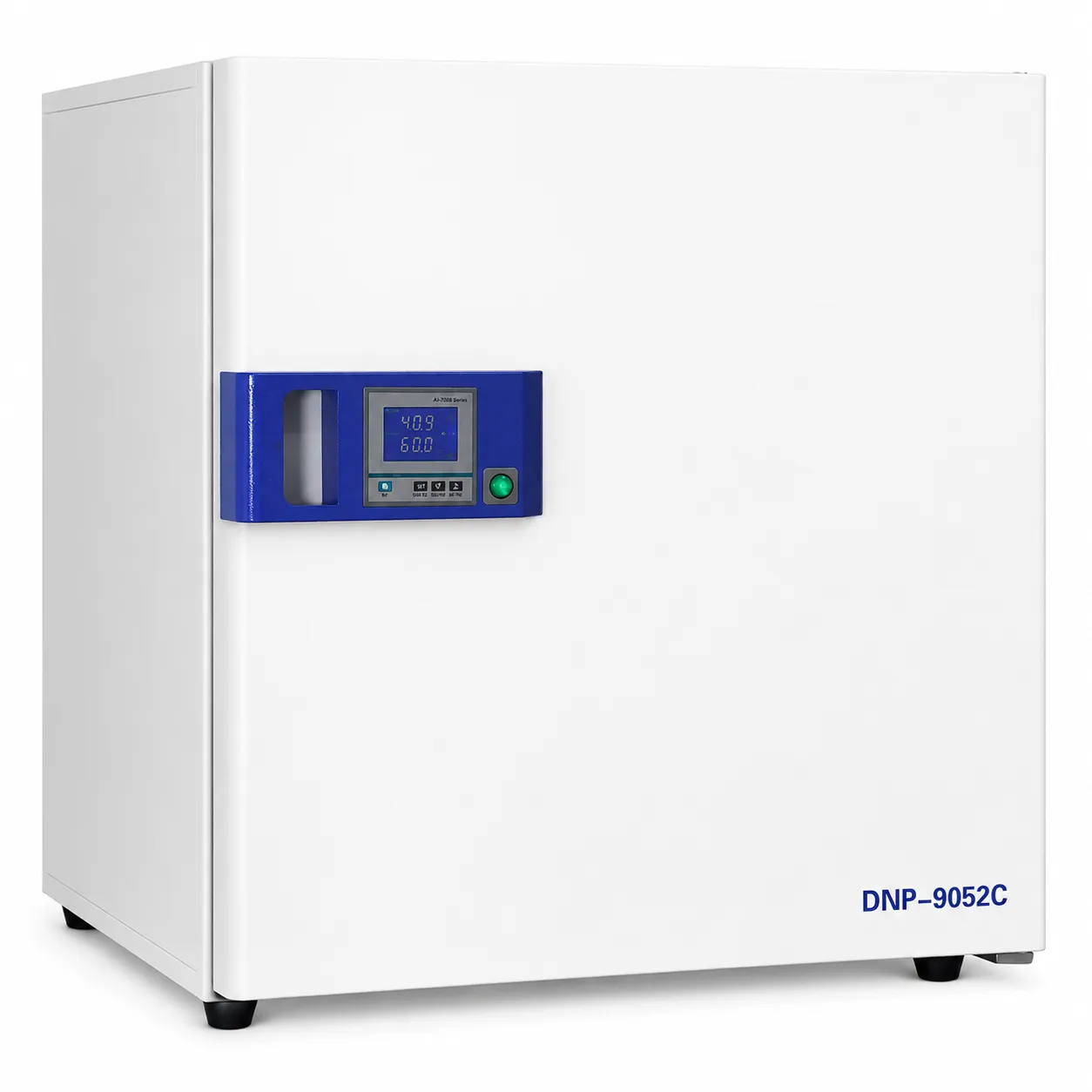
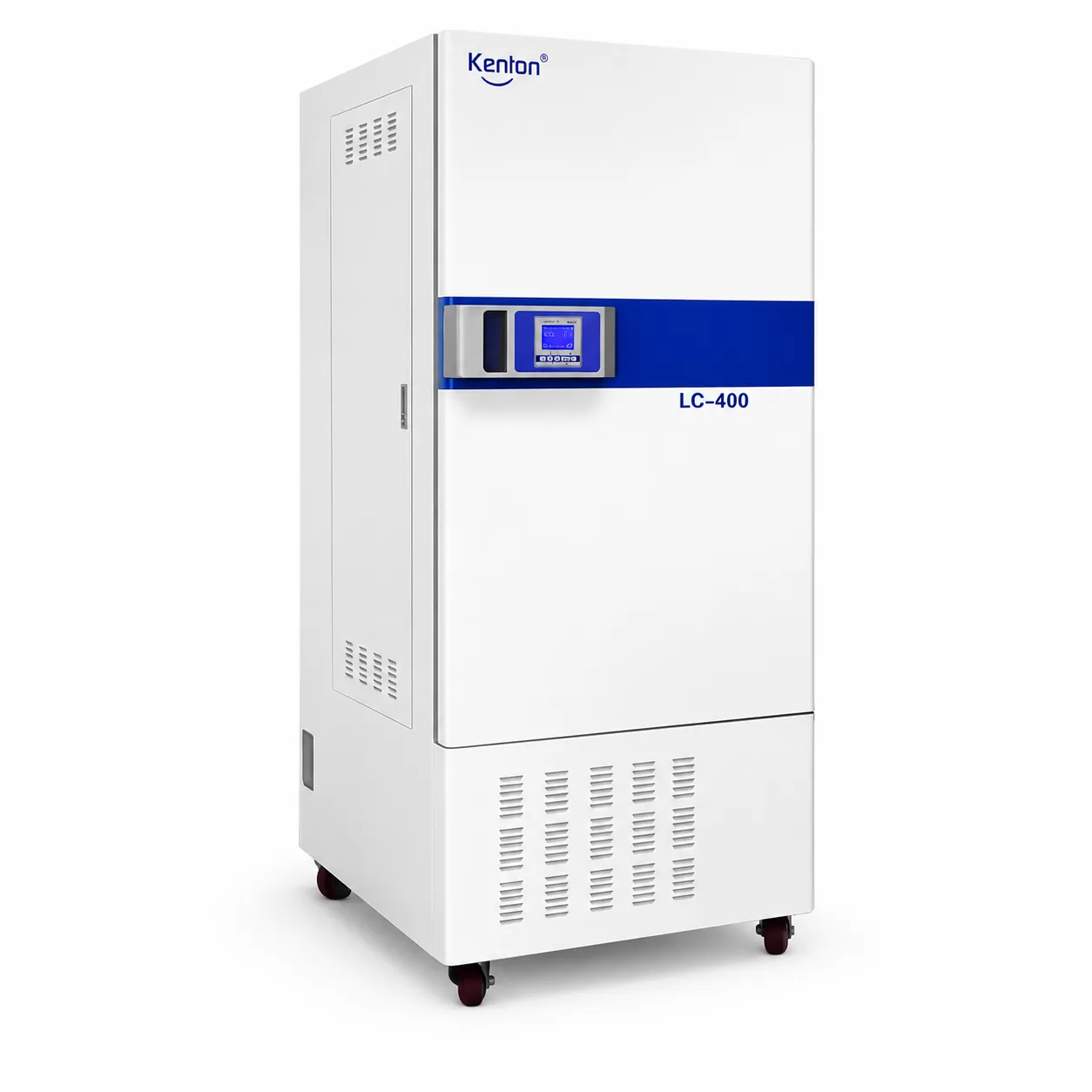
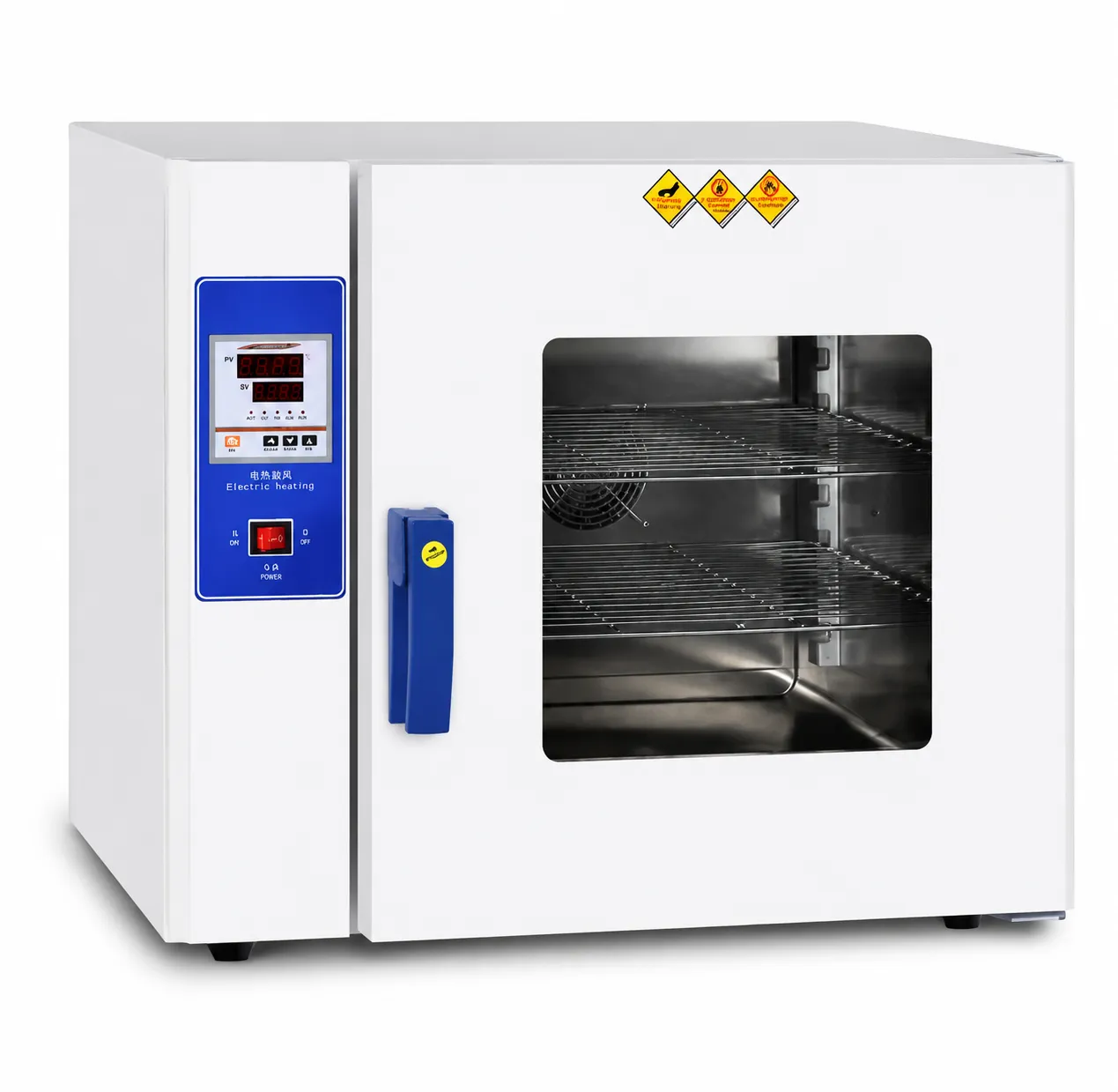
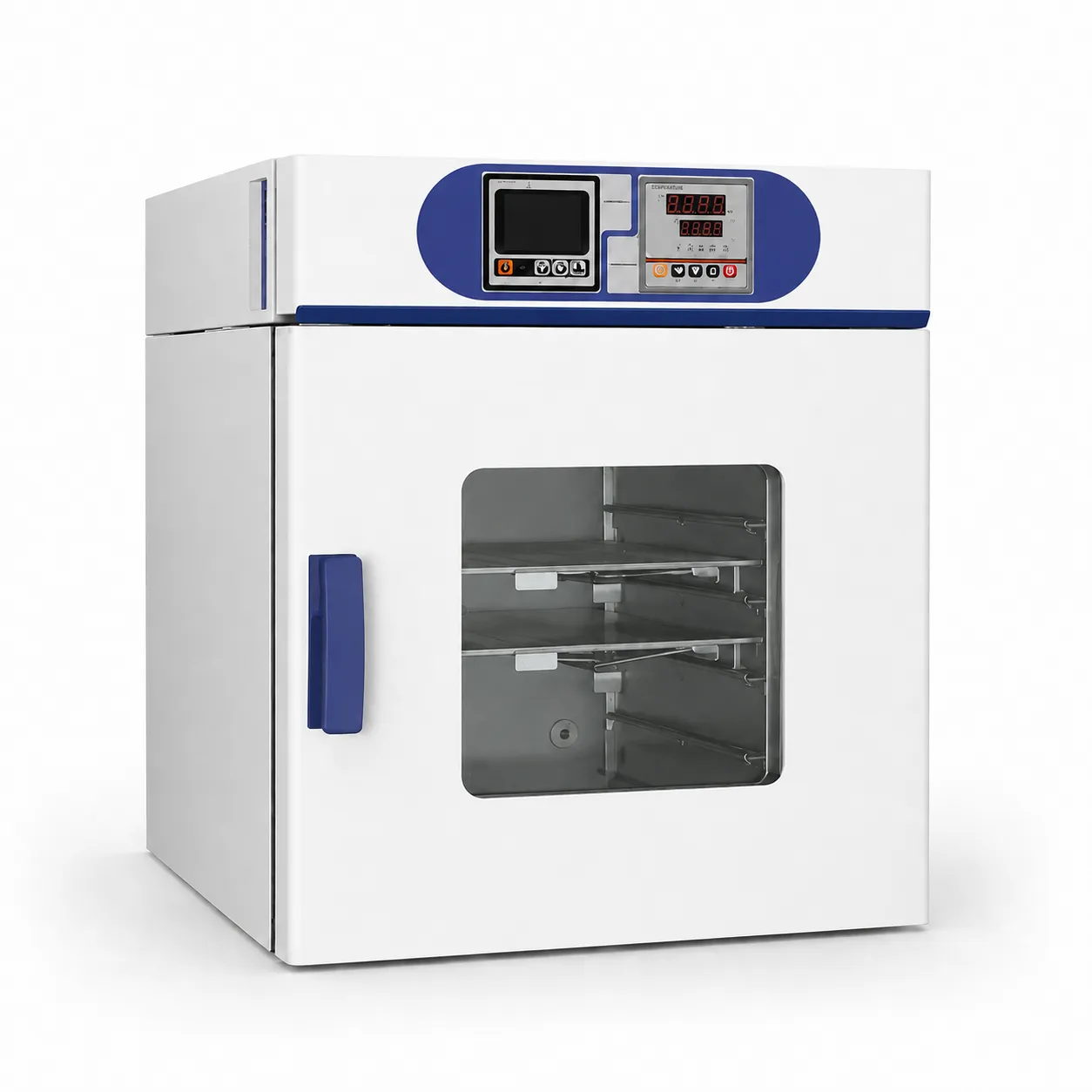
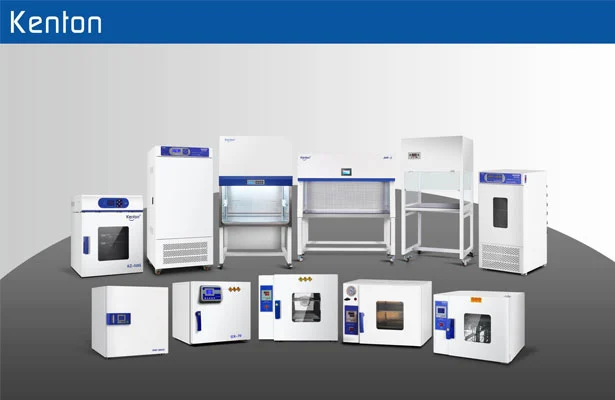
Scaling a drying process from trials to routine production is less about choosing the biggest oven and more about proving that the intended result can be repeated across representative loads. A useful process brief connects the material, load arrangement, drying endpoint, cycle time and acceptance method. Kenton supplies laboratory and industrial drying ovens, including hot-air circulation and vacuum models for different process needs.
A drying-process definition states the endpoint that must be achieved and the conditions that must be maintained. Specify whether the operation removes moisture, preheats components, conditions materials or follows a washing step. Then define the material, routine and worst-case load, acceptable residual condition and target cycle time. These details make the process testable rather than leaving success to a subjective visual check.
Record whether loads arrive wet or dry, whether they are placed on trays or racks, and whether batches differ in mass or geometry. Thick components may heat more slowly than thin parts, while tightly packed loads can restrict airflow. If the product has a moisture or dimensional acceptance limit, describe how it will be checked after the cycle. This gives the supplier a practical basis for discussing chamber size, airflow and control features.
Usable capacity is the space that can accommodate the real load while preserving safe clearance and effective air circulation. A chamber’s external dimensions do not tell buyers how many trays, fixtures or components can be loaded. Compare internal height, width and depth, tray spacing, door opening and the handling method used by operators.
For batch production, estimate the maximum routine load and the largest occasional load separately. Leave room for airflow around the product and avoid basing the purchase only on a theoretical full-volume calculation. Where heavy parts are involved, confirm shelf load ratings, trolley access and floor-space requirements. Kenton’s drying oven supplier range covers laboratory and industrial designs, so the quotation should identify the exact series and configuration rather than only the product category.

A temperature range identifies available setpoints; process evidence shows whether the chosen cycle delivers the required result. Accuracy, fluctuation, spatial uniformity and recovery after a door opening describe different aspects of control. Record which measurements matter to the product and how they will be checked during qualification. Do not treat a controller display as proof that every point in a loaded chamber has the same temperature.
Relevant oven standards can help frame equipment selection, but they do not replace application-specific risk review or a documented acceptance test. If uniformity matters, agree in advance on sensor locations, chamber condition, representative load and pass/fail criteria.
Airflow is the movement of heated air through the chamber and around the load; it influences heat transfer, drying rate and temperature distribution. Forced circulation can help distribute heat through a suitably designed chamber, but results still depend on the load geometry, shelf arrangement, fan design and exhaust settings. Ask how the proposed configuration handles the actual product rather than assuming that every forced-air oven performs identically.
For large production loads, the location of air inlets and outlets, the distance between trays and the use of racks can all affect repeatability. A trial using representative parts may reveal blocked airflow, uneven loading or a cycle time that is longer than expected. When considering a drying oven factory option for larger parts or production-line work, share a drawing or sample-load layout so the supplier can evaluate practical loading and configuration choices.

For heat-sensitive or oxidation-prone materials, a china vacuum drying oven may be worth evaluating. Confirm the required pressure, sealing arrangement, material compatibility and how the drying endpoint will be measured. Kenton offers vacuum drying oven options, including the KZ and DZF product families; the final choice should follow the material specification and process trial rather than the technology label alone.

A safe oven specification identifies the substances being heated, the likely vapours or by-products, the operating environment and the required protective functions. Standard drying ovens should not be assumed suitable for flammable solvents, explosive atmospheres or materials that release hazardous gases. Those applications require a separate engineering and safety review, including appropriate ventilation, electrical protection and any jurisdiction-specific requirements.
Confirm over-temperature protection, alarms, electrical supply, ventilation needs, access clearances and operator training. If the process changes later—for example, a new coating, solvent or resin is introduced—reassess the hazard rather than assuming the original approval still applies. Buyers should document the permitted use and prohibited materials in operating procedures.
Supplier comparison is the process of evaluating offers against the same technical and service criteria rather than comparing headline prices alone. A useful quotation states the model, usable chamber dimensions, temperature range, control performance, materials, included shelves, electrical requirements, warranty and delivery scope. It should also clarify what is optional, what documentation is supplied and whether testing or commissioning support is available. Comparing these items line by line is more reliable than comparing a headline price for equipment that may not be configured the same way.
For export procurement, also confirm packaging, spare-part availability, manuals, response times and the process for resolving a warranty issue. Ask the supplier to identify assumptions and exclusions in writing. Kenton offers a range of drying-oven designs; a well-prepared application brief helps the team recommend a suitable configuration without overstating what any model can achieve.
A pre-order checklist is a concise record of the technical, operational and safety requirements that must be agreed before the purchase order is issued. Align production, engineering, quality and safety stakeholders on a short acceptance brief. It should include the material and load, target result, cycle time, temperature range, required uniformity, chamber dimensions, utilities, safety limitations, documentation and the proposed acceptance test. If a process trial is possible, define the sample, test method and pass/fail criteria before the trial begins.
Selection item | What to confirm before ordering |
Load and capacity | Largest routine load, tray arrangement, internal dimensions and shelf load |
Thermal performance | Operating range, accuracy, fluctuation, uniformity and recovery expectations |
Airflow | Circulation method, loading clearances and representative-load test plan |
Safety | Material hazards, ventilation, over-temperature protection and prohibited uses |
Delivery and support | Included accessories, documentation, warranty, spares and commissioning scope |
Identify the material, routine and worst-case load, target endpoint, cycle-time target, operating conditions, safety constraints and method for verifying the result.
Not necessarily. A larger chamber can waste energy and floor space if the routine load is small, while an undersized chamber may restrict airflow or require extra batches. Size the oven around representative loads, safe clearances and expected throughput.
Temperature accuracy concerns how close a measured value is to the target; uniformity concerns differences between locations in the chamber. Both may matter, depending on the process.
Consider it when material sensitivity, oxidation risk or the desired drying conditions justify reduced-pressure processing. Confirm suitability through a technical review and trial.
Do not assume it can. Review solvent hazards, vapour generation, ventilation and required protective design with qualified safety personnel before selecting equipment.
Define the representative load, test method, sensor positions, required process endpoint, records to be delivered and clear pass/fail limits before the test begins.
A reliable industrial drying oven purchase starts with a defined process, realistic load calculations and measurable acceptance criteria. Temperature range, uniformity, airflow, safety and service support should be evaluated as a complete system. By sharing application details early and comparing quotations against the same specification, buyers can make a more defensible decision and reduce commissioning surprises.
1. ASTM: General-Purpose Oven Standards
2. NIST: Calibration Services and Measurement Quality
3. NFPA: Standard for Ovens and Furnaces