English
 Español

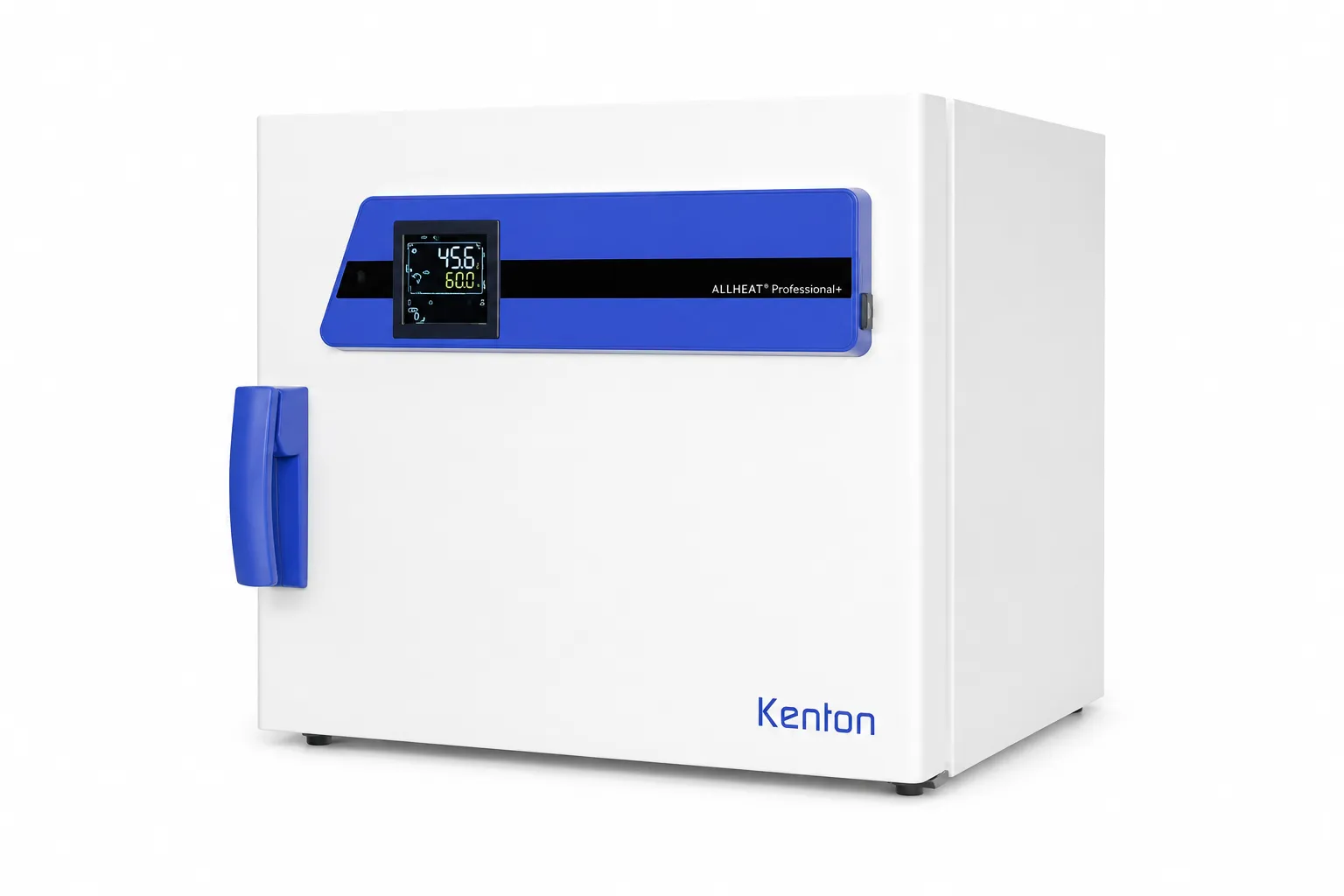
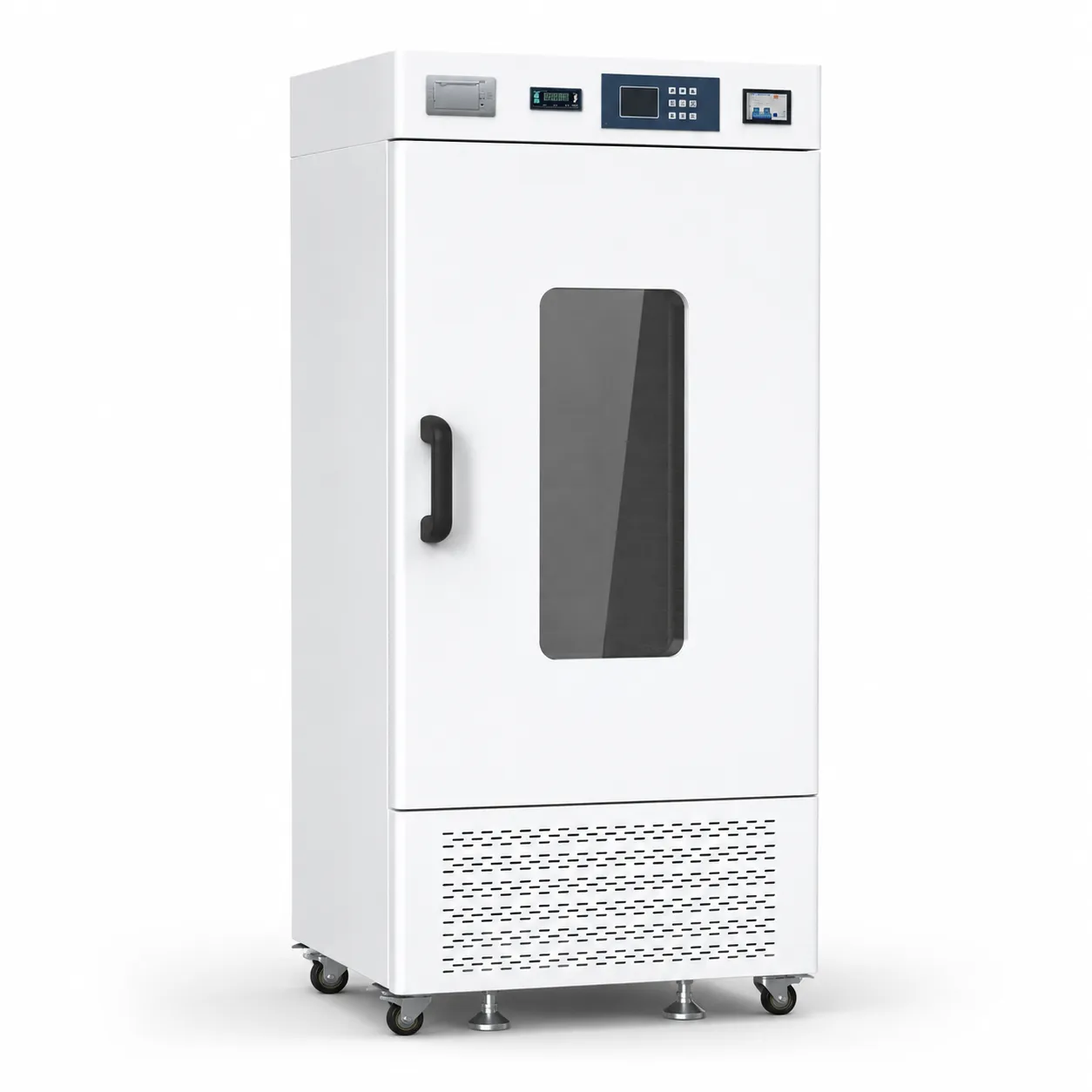
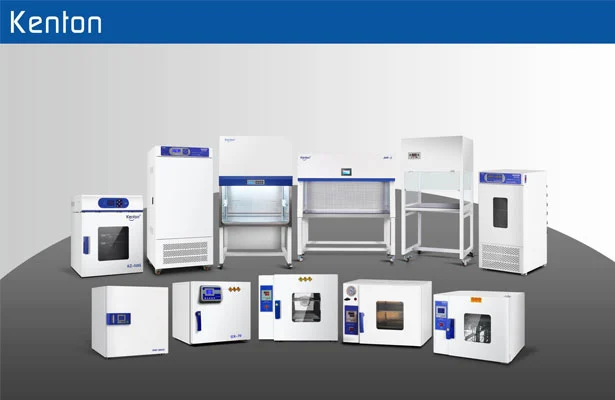
When culture results vary between runs, the incubator is only one part of the investigation. Vessel placement, door-opening frequency, gas recovery, cleaning routines and response to alarms can all affect the environment experienced by samples. Kenton offers incubator families for different laboratory workflows; defining the protocol and the sources of variability helps teams specify and operate equipment more consistently.
An incubator specification translates the needs of a culture or test method into measurable operating conditions. Begin with the organism or cell type, vessel format, target temperature, gas requirements, humidity needs, expected batch size and duration of use. Include the culture protocol and any limits on temperature excursions or contamination risk.
Routine bacterial culture, mammalian cell culture, plant research and oxygen-sensitive work may need different control functions. A general temperature incubator may be sufficient for some protocols, while CO2 or multi-gas control is necessary for others. Avoid buying a more complex model simply because it offers more settings; unused functions can add cost and maintenance without improving the required result.

Temperature performance includes the setpoint range, accuracy, fluctuation, uniformity and recovery after a door opening. These measures answer different questions: whether the displayed or measured temperature is close to the target, how much it changes over time, how it varies within the chamber and how quickly conditions return after disturbance.
Compare performance claims under comparable test conditions and ask whether they refer to an empty chamber or a loaded chamber. Shelf arrangement, vessel density, air circulation and how often users open the door can affect actual results. A concise application test plan should identify representative vessels, sensor placement and acceptable limits before the purchase is approved.

Atmosphere control is the regulation of gases such as carbon dioxide and oxygen to create conditions required by a culture method. CO2 incubators are commonly used for cell culture protocols that depend on controlled CO2, while tri-gas systems add oxygen control for applications that require a reduced or otherwise specified oxygen level. The gas-control capability should follow the validated protocol, not assumptions about what advanced laboratories usually buy.
Check the available gas range, sensor type, control accuracy, recovery after a door opening, gas connections and consumption expectations. Kenton offers several incubator families, so buyers should name the application and required atmosphere in the enquiry. Where the protocol requires CO2, O2 and N2 management, a tri gas co2 incubator may be a more relevant comparison than a basic constant-temperature model.
Contamination control is the combination of equipment design, cleaning procedures, user behaviour and maintenance practices that reduces unwanted biological or chemical introduction into a culture. Features such as smooth chamber surfaces, accessible corners, suitable shelving, door seals, filtered gas inlets and documented decontamination options can support a controlled workflow, but no single feature eliminates contamination risk.
Map the path of a sample from preparation to incubation and removal. Frequent door openings, crowded shelves, poorly sealed vessels and inconsistent cleaning can undermine even a well-designed instrument. The ATCC culture guides provide practical context for aseptic handling and cell-culture workflows; equipment selection should support the procedures used by the laboratory rather than replace them.

Usable capacity is the chamber space that remains practical after accounting for shelves, vessel height, airflow and operator access. Estimate the number and size of flasks, plates, bottles or racks used in a typical run, then check the maximum load and future growth in sample volume. A nominal volume alone may hide inconvenient shelf spacing or poor access to rear positions.
Also consider where the unit will sit, the door swing, service clearance and whether a benchtop or floor-standing design suits the workflow. If work is performed in repeated small batches, fast recovery and convenient access may matter more than maximum capacity. For central facilities serving multiple teams, standardizing vessel formats and loading practices can make capacity planning more predictable; an experienced incubator supplier can use these details to recommend a practical chamber layout.
Monitoring is the collection and review of operating information used to demonstrate that the incubator stayed within required conditions. Buyers should clarify which values are displayed, which alarms are available, whether event history is retained, and whether data can be exported or integrated with a laboratory information system. The required level of recordkeeping depends on the application and quality system.
For regulated or high-value research, define alarm response ownership and the procedure for handling excursions. Ask what calibration, service and validation documents can be supplied, and whether installation or qualification support is available. A purchase specification should state the records needed at delivery rather than assume that every supplier includes the same package. Lifecycle cost is the total expected cost of operating and maintaining equipment over its useful service period, not just the initial purchase price.
A use-case comparison is a structured way to shortlist incubator types against the environmental conditions required by the protocol. The table below is a screening tool, not a substitute for the culture protocol or detailed model specifications.
Application need | Incubator type to evaluate | Key questions |
Routine bacterial cultivation | Constant-temperature or bacteria incubator | Temperature range, uniformity, sterilization and vessel capacity |
Mammalian cell culture | CO2 tissue-culture incubator | CO2 sensing, humidity, contamination control and recovery |
Oxygen-sensitive culture | Tri-gas incubator | O2 control range, gas accuracy, recovery and gas supply |
Plant or environmental research | Biochemical or climate-controlled incubator | Light, humidity, programmed cycles and spatial uniformity |
Lifecycle cost is the expected cost of operating, maintaining and servicing an incubator over its useful service period. Review gas consumption, filter or sensor replacement, calibration frequency, cleaning time, energy use, warranty terms and local service arrangements. Ask which components are consumables, which maintenance tasks require a technician, and how replacement parts are identified and ordered.
When comparing an incubator manufacturer, request a complete quotation with the selected model, included accessories, delivery scope, training, warranty and optional qualification services clearly separated. This makes supplier offers easier to compare and reduces the risk of discovering after delivery that a required connection, shelf or document was excluded.
The sample environment may still vary because of loading, vessel placement, door openings, recovery time, gas supply, cleaning practices or differences in the protocol.
Where possible, assess performance in a configuration representative of routine use. The test plan should define the load, sensor locations and conditions being evaluated.
It may be appropriate when the protocol requires control of oxygen as well as carbon dioxide. The culture method, not the product label, should determine the requirement.
Use documented aseptic technique, consistent cleaning, compatible disinfectants, planned maintenance and clear procedures for loading and removing samples.
It should identify who responds, how samples are protected, which records are captured, how the event is assessed and who authorizes resumption of the run.
Provide the protocol, sample and vessel types, environmental requirements, routine load, access pattern, monitoring needs and any validation or documentation requirements.
A well-specified incubator supports reproducibility by matching environmental controls to the actual protocol. Temperature performance, gas control, contamination management, capacity, monitoring and service support should be evaluated together. With a clear application brief, laboratories can compare models on meaningful evidence and choose equipment that fits both current work and planned growth.
1. ATCC Culture Guides for Cell and Microbial Workflows
2. U.S. FDA: Process Validation — General Principles and Practices
3. NIST: Calibration Services and Measurement Quality