English
 Español

Laboratory equipment must do more than reach a set temperature. Researchers and quality-control teams also need to understand how conditions change throughout an experiment or production process. Data logging provides a continuous operating record, helping users monitor performance, identify deviations and improve testing reliability.
A controller may display the current temperature, but this value only represents one moment. Data logging records temperature, humidity or other operating conditions over time.
This creates a more complete history of the process and allows users to confirm whether the equipment remained within the required operating range.
Power interruptions, frequent door opening, incorrect sample loading or equipment problems can cause conditions to change unexpectedly. Without recorded data, these events may be difficult to identify after the process is complete.
A data record helps users locate when a deviation occurred and evaluate whether it may have affected the samples or results.
Reliable research requires consistent operating conditions. Stored records allow laboratories to compare different test runs and confirm whether the same procedures produced similar environmental conditions.
Data logging can also support internal quality-control records and make it easier to prepare experimental reports. However, recorded data does not replace regular equipment inspection, sensor calibration or correct operating procedures.
Historical data may reveal gradual changes in heating time, temperature fluctuation or system performance. These patterns can help laboratory staff identify potential maintenance requirements before they lead to equipment failure or lost samples.
When selecting laboratory equipment, useful data-management features may include:
USB data storage
RS485 or RS232 computer connectivity
Programmable operating stages
Alarm and error records
Adjustable recording intervals
Compatible monitoring software
The required features should be confirmed before ordering because available functions vary between models and controller configurations.
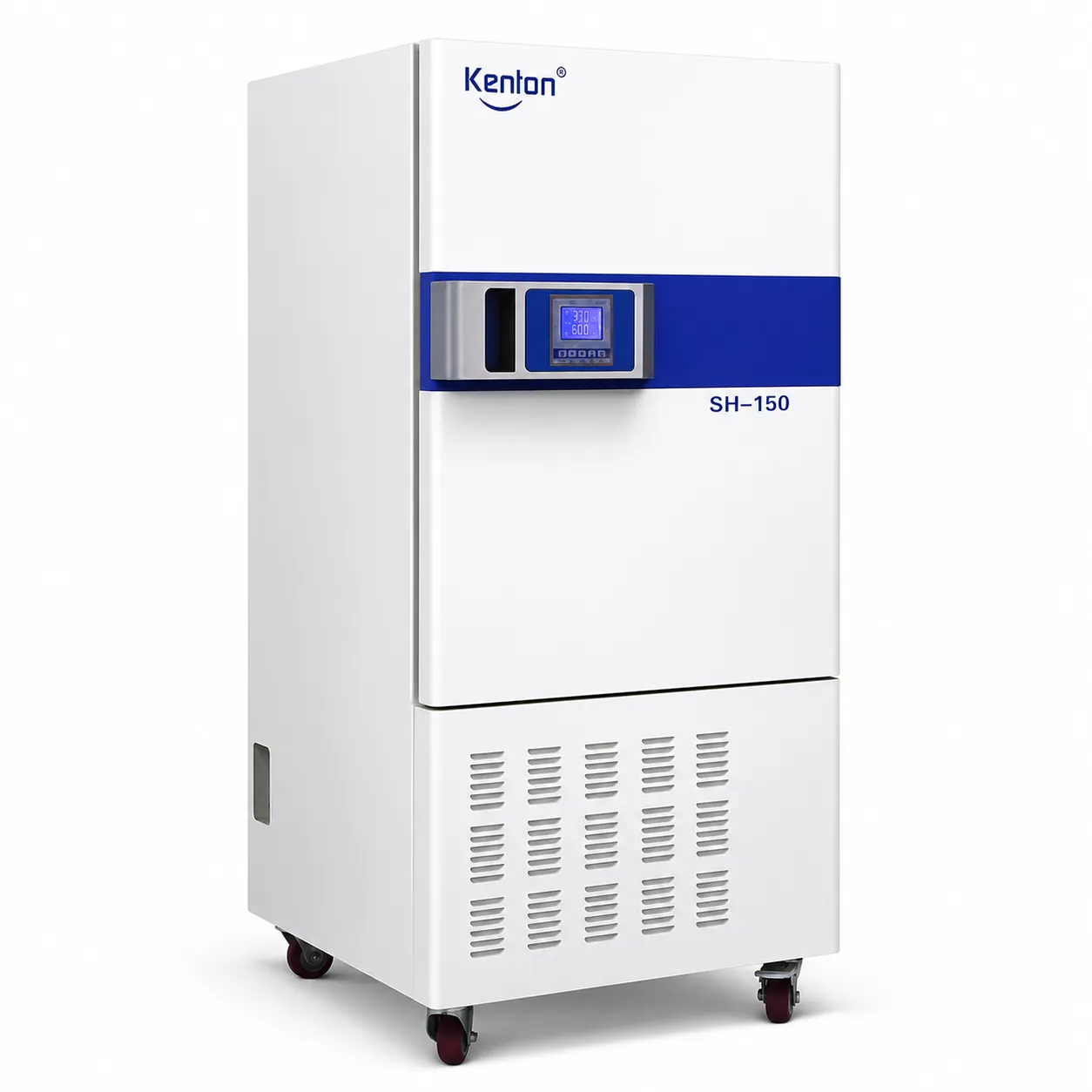
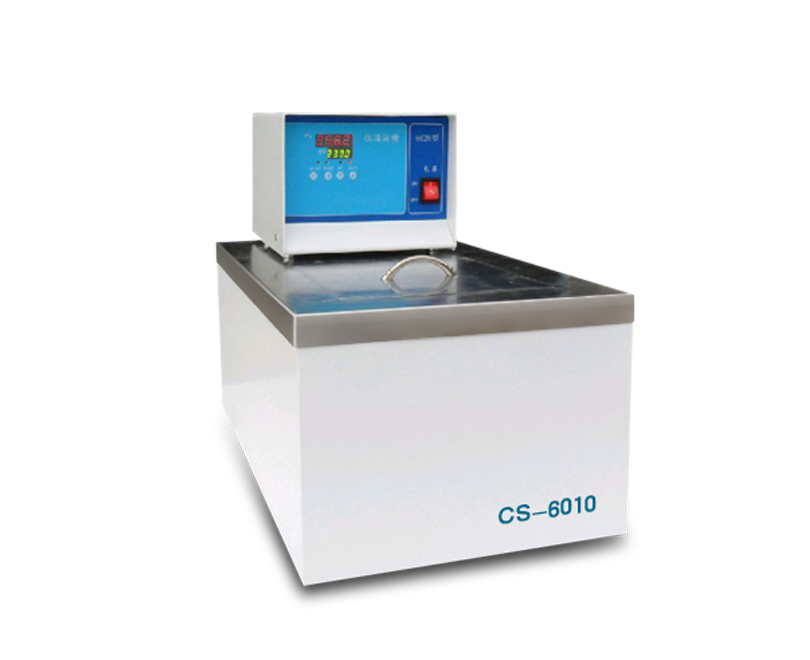
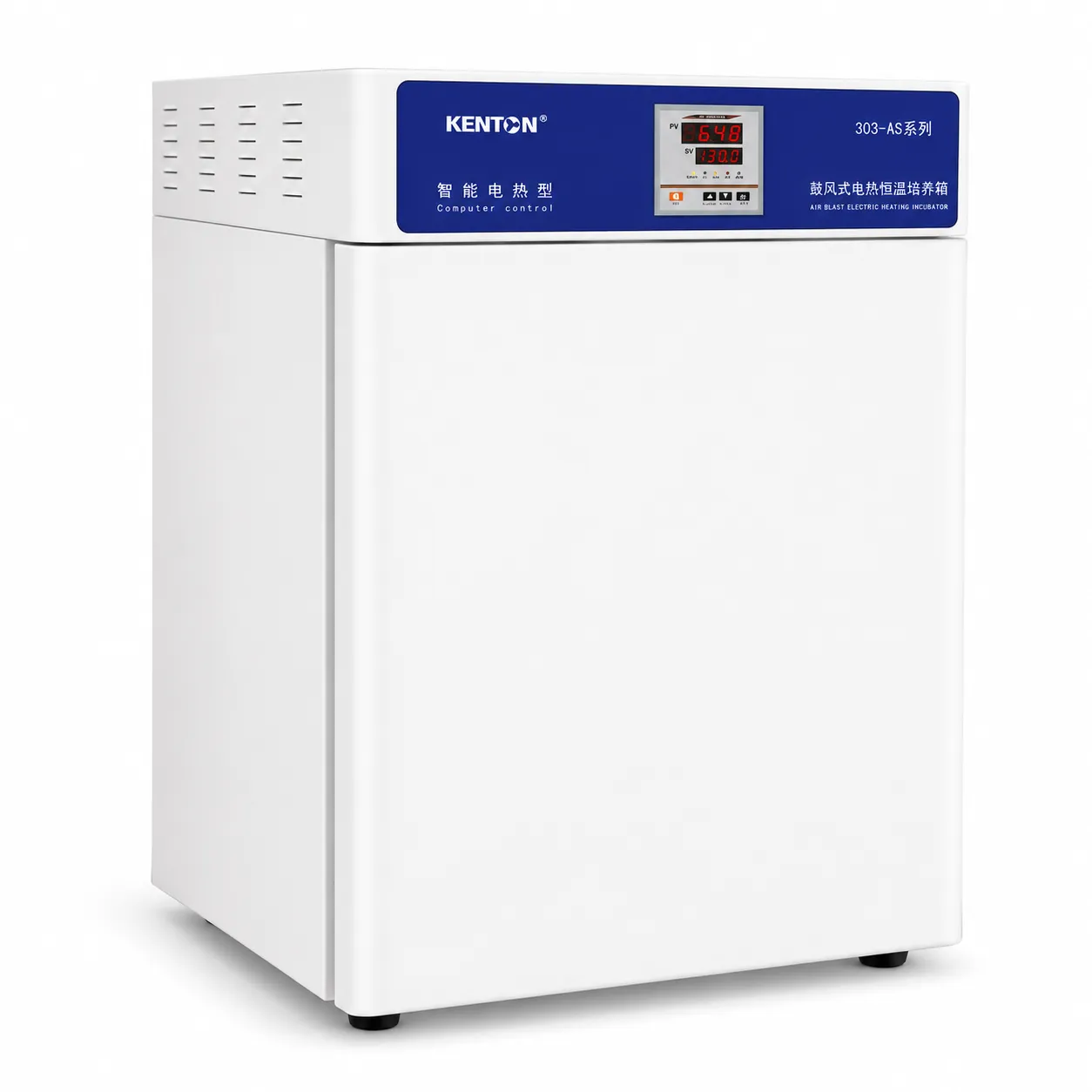
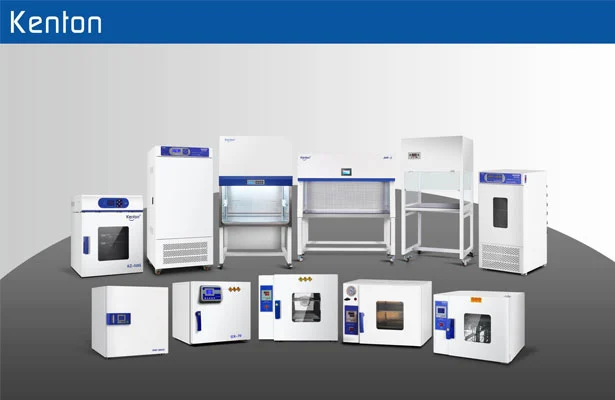
Selected Kenton drying ovens, incubators, environmental chambers and laboratory shakers can be configured with programmable controllers, USB data storage and computer communication interfaces.
These functions help laboratories create clearer operating records and manage temperature-controlled processes more effectively.
For product selection, controller options or OEM/ODM enquiries, contact Kenton at kenton@kentonchina.com.