 English
 Español

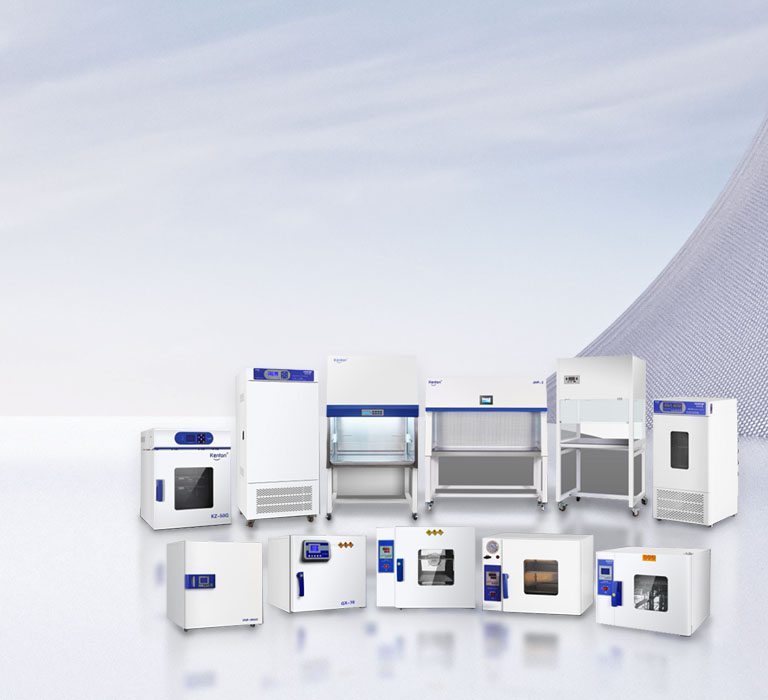
Kenton, a leading laboratory instrument manufacturer, started in 1999 with the launch of the 101 series drying oven. Over the years, we expanded our product line to include incubators, safety cabinets, and more. Kenton earned ISO 9001 certification in 2005 and CE certifications between 2008-2012. In 2013, we upgraded our product series, including SUS 304 stainless steel liners. With 20,000 units produced annually and a 20% growth rate, we expanded into global markets by 2011, selling to Europe, America, Southeast Asia, and beyond. Kenton Apparatus Limited drives innovation in biological research equipment and services worldwide.
Collaborations
Factory Area
Annual Production Volume
Professional R&D Team
Multiple Production Lines
Excellent After-sales Service
Over 20 Years of Industry Experience
Scaling a drying process from trials to routine production is less about choosing the biggest oven and more about proving that the intended result can be repeated across representative loads. A useful process brief connects the material, load arrangement, drying endpoint, cycle time and acceptance method. Kenton supplies laboratory and industrial drying ovens, including hot-air circulation and vacuum models for different process needs.
Culture reproducibility depends on more than the incubator setpoint. Vessel placement, door-opening frequency, temperature and gas recovery, contamination control, monitoring, and maintenance all influence the conditions experienced by samples. This guide explains how laboratories can evaluate incubator performance under real working conditions and standardize daily workflows for more consistent culture results.
Learn how to select activated-carbon, HEPA or combined filtration for a ductless fume hood based on chemical hazards, particles, process conditions and monitoring requirements.
