English
  Español
In today's demanding laboratory environments, maintaining sterile and contamination-free conditions is critical for research accuracy and product safety. Laminar flow cabinets are essential laboratory equipment designed to create sterile, particle-free work environments by directing HEPA-filtered air uniformly across a workspace. These specialized workstations are fundamental to modern research, pharmaceutical manufacturing, and biotechnology operations worldwide.
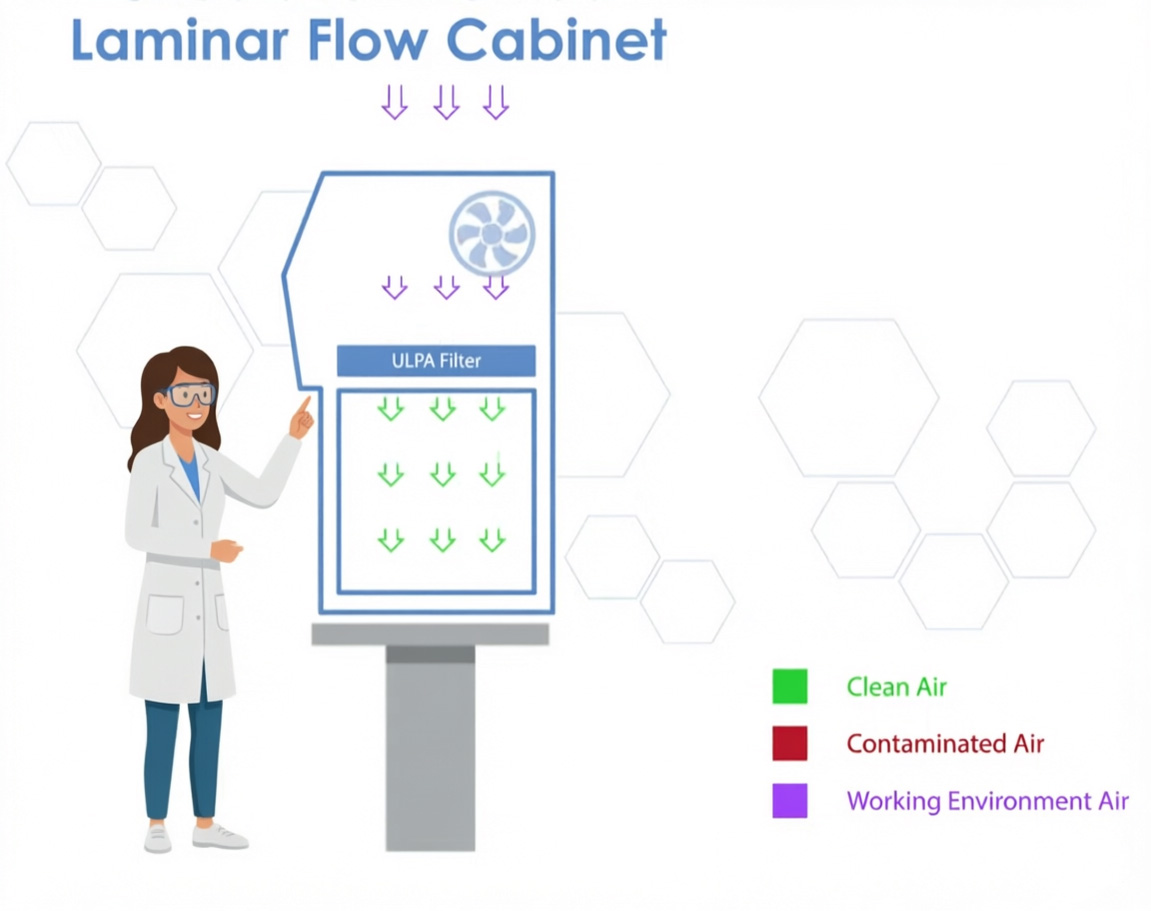
A laminar flow cabinet maintains a clean work area by delivering unidirectional (laminar) airflow through high-performance filters. Air is drawn into the cabinet and pushed through a HEPA filter (typically 99.97% efficiency at .3 μm) or, in higher-grade models, a ULPA filter for finer particle removal.
After filtration, the air moves across the work zone in smooth, parallel layers (either vertical or horizontal flow depending on the cabinet design). Because the airflow is uniform and low-turbulence, airborne particles are continuously swept away from the work surface and carried out of the cabinet’s exhaust path, helping prevent contamination and maintaining a consistently clean environment during operation.
Definition: Laminar flow cabinets are primarily used in laboratories to create a clean, sterile work area for microbiological procedures, cell culture, media preparation, and other particle-sensitive tasks where contamination control is critical.
Laminar flow cabinets support a wide range of applications across research, medical, pharmaceutical, electronics, and industrial laboratories by providing a consistently clean airflow over the work surface.
Common uses of laminar flow cabinets include:
Microbiological Work: laminar flow cabinet provides a sterile workspace for handling microorganisms (bacteria, fungi) and cell cultures, minimizing the risk of sample contamination during manipulation.
Media and Culture Preparation: Ideal for preparing culture media, pouring agar plates, inoculating samples, and performing other contamination-sensitive culture procedures.
Plant Tissue Culture: laminar air flow cabinet supports sterile propagation, tissue culture work, and genetic research where even minor contamination can compromise results.
PCR and Molecular Work: Often used for PCR setup and molecular workflows; some units incorporate UV lighting for additional surface and air decontamination between runs.
Sample Preparation: Protects particle-sensitive analytical samples during weighing, transferring, aliquoting, and other preparation steps requiring a low-particulate environment.
Electronic Component Testing: Particle-sensitive electronic devices and microelectronics require dust-free environments, making laminar flow cabinets essential for precision assembly and testing.
Definition: The benefits of laminar flow cabinets include effective contamination control, improved experimental reliability, enhanced protection of products and processes, support for regulatory compliance, and greater operational efficiency in sterile or particle-controlled work environments.
Key benefits of investing in laminar flow cabinets include:
Contamination Prevention: HEPA filtration (typically 99.97% at .3 μm) continuously removes airborne particulates, helping protect samples and processes from environmental contamination.
Enhanced Safety: When using appropriate containment equipment (e.g., Class II biological safety cabinet), personnel and the environment can be protected during work with biohazardous materials.
Regulatory Compliance: Supports cleanroom and sterile workflow requirements aligned with common standards and guidelines (e.g., ISO, USP, and relevant FDA expectations for controlled environments).
Improved Product Quality: Helps maintain sterility and particulate control during preparation or manufacturing steps, reducing batch rejection, rework, and quality deviations.
Higher Reproducibility: Stable airflow clean benches reduce variability, improving repeatability across experiments and production runs.
Cost Efficiency: Fewer contamination events mean fewer failed cultures, discarded materials, and downtime—lowering operating costs and improving throughput.
Operational Flexibility: Available in vertical/horizontal airflow designs and configurable options (UV, prefilters, work surface choices) to match different workflows and space constraints.
Definition: Pharmaceutical and biotechnology applications of laminar flow cabinets include sterile drug formulation, vaccine preparation, injectable drug manufacturing, biologics production, and quality control testing requiring aseptic processing conditions. The pharmaceutical and biotechnology industries represent the most critical application domains for laminar flow technology. As the global market for injectable drugs continues its upward trajectory—projected to reach $69.13 billion by 2028—laminar flow cabinets have become absolutely essential infrastructure for maintaining sterile integrity standards.
In pharmaceutical production facilities, laminar flow cabinets serve as critical components of aseptic processing systems. These cabinets enable the preparation of sterile solutions, compounding of injectable medications, and filling of sterile products in environments that meet or exceed regulatory standards. The pharmaceutical industry relies on laminar airflow technology to maintain the microbial and particulate control necessary for drug safety and efficacy.
Preparation of intravenous (IV) solutions and medications
Vaccine manufacturing and vial filling
Chemotherapy drug preparation in clinical pharmacy settings
Sterile compounding of specialty pharmaceuticals
Quality assurance and stability testing
Raw material testing and verification
Biotechnology companies leverage laminar flow technology for the development and production of biologics, including monoclonal antibodies, recombinant proteins, gene therapies, and cell-based therapeutics. These applications often involve working with genetically modified organisms, living cells, and sensitive biological materials that demand the highest levels of contamination control.
Cell culture and bioreactor operations
Monoclonal antibody production
Gene therapy vector preparation
Stem cell research and processing
Viral vaccine development
Diagnostic reagent preparation
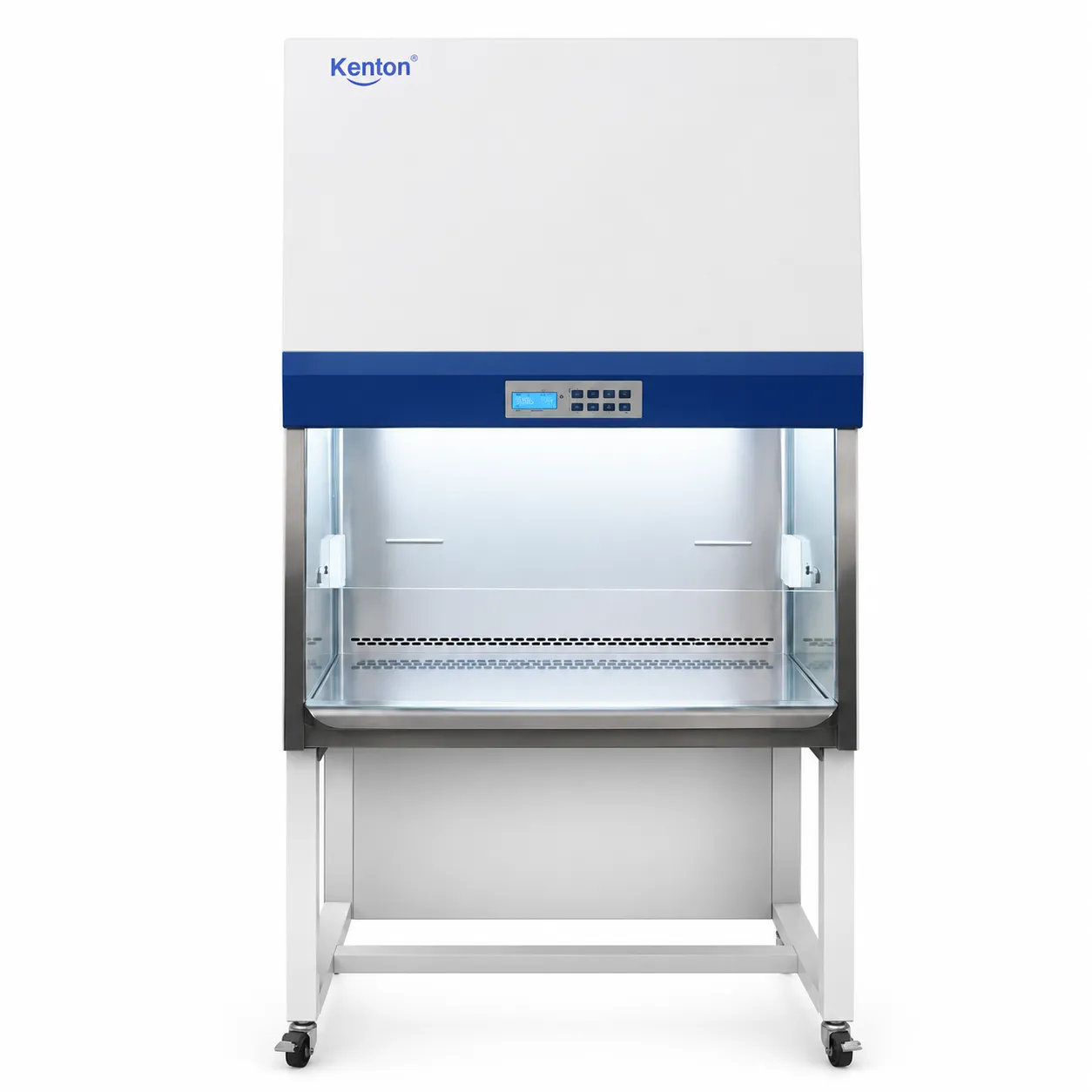
| As one of China’s leading laboratory equipment manufacturers, Kenton delivers state-of-the-art solutions designed to meet international pharmaceutical and biotechnology standards. Kenton laminar flow cabinets combine robust engineering with ergonomic design to provide long-term reliability and exceptional user comfort. They are ideal for electronics assembly, plant tissue culture, culture media preparation, and other non-hazardous applications that require a sterile, particle-controlled work area. |
Definition: Key features to consider include airflow type (horizontal/vertical), filtration system specifications, noise level, power consumption, work surface dimensions, material construction, maintenance requirements, and certification status.
Selecting and properly using a laminar flow cabinet requires understanding its essential features and specifications. These characteristics directly impact performance, user experience, and suitability for specific laboratory applications.
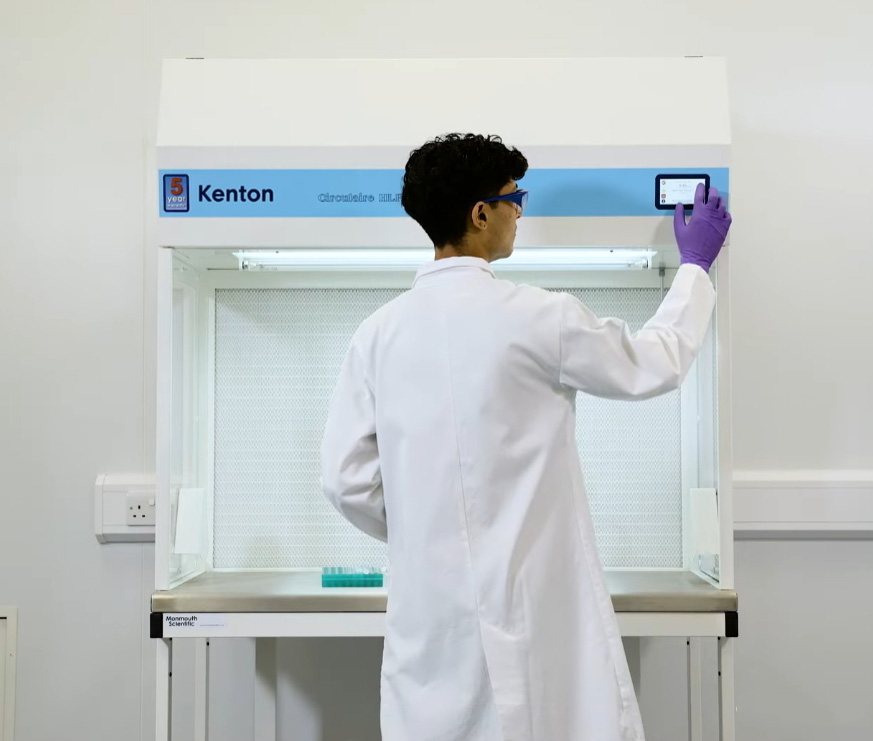
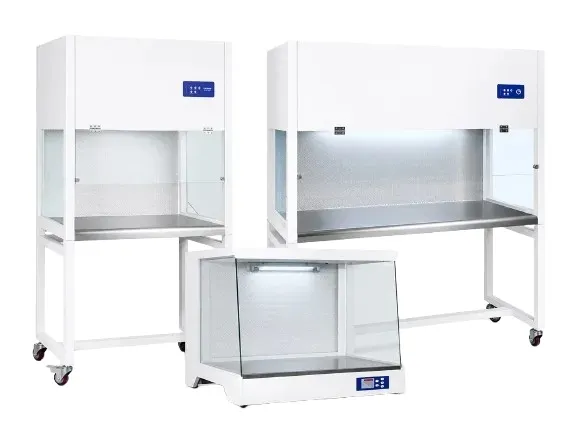
Laminar flow cabinets come in two primary configurations:
Horizontal Laminar Flow: Air flows horizontally from back to front toward the operator. Suitable for non-hazardous materials and work requiring direct observation.
Vertical Laminar Flow: Air flows vertically downward across the work surface. Provides superior sample protection and is recommended for most cell culture and microbiological applications.
HEPA or ULPA filter efficiency (99.97% or higher)
Filter replacement intervals (typically 6-12 months)
Pre-filtration stages for extended filter life
Filter certification and regulatory compliance documentation
Performance and Operational Features
| Feature | Description | Importance |
| Work Surface Area | Typical range: 0.6m² to 2.4m² depending on model | Affects accommodating equipment and materials |
| Airflow Velocity | Typically 0.3-0.5 m/s for clean benches | Ensures adequate contamination removal and product protection |
| Noise Level | Energy-efficient models: 60-70 dB | User comfort and laboratory environment quality |
| Power Consumption | Modern units: 300-600 watts depending on size | Operational cost efficiency and facility requirements |
| Material Construction | Stainless steel (preferred), no joints or crevices | Cleanability and durability; prevents bacterial accumulation |
| UV Light System | Integrated UV for decontamination (some models) | Provides secondary decontamination and enhanced sterility |
| Certifications | NSF, ISO 14644, FDA, USP compliance | Regulatory compliance and industry standard adherence |
Modern laminar flow cabinets incorporate several energy-saving features:
Energy-efficient centrifugal blowers for maximum operational savings
Variable speed controls reducing power consumption during idle periods
LED lighting systems replacing traditional fluorescent fixtures
Advanced motor technology minimizing vibration and energy waste
| Cabinet Type | Airflow Direction | Product Protection | Personnel Protection | Best Applications |
| Horizontal Clean Bench | Horizontal (Back to Front) | Excellent | None | Non-hazardous materials, electronics assembly |
| Vertical Clean Bench | Vertical (Top to Bottom) | Excellent | None | Cell culture, tissue culture, standard microbiology |
| Class II Biosafety Cabinet | Mixed (Vertical + Inward) | Excellent | Excellent | Hazardous biological materials, mammalian cell culture |
| PCR Workstation | Vertical (Top to Bottom) | Excellent | Limited | DNA/RNA work, molecular biology, diagnostics |
Why choose Laminar Flow Cabinets from Kenton?
Kenton Laminar Flow Cabinet customization
Leak detection for Laminar Flow Cabinet
A laminar flow cabinet (clean bench) protects the product only by providing HEPA-filtered unidirectional airflow; it does not protect the operator or room.
A Class II biosafety cabinet (BSC) provides product, personnel, and environmental protection through inward airflow at the opening and HEPA-filtered exhaust. Use a BSC for biohazardous materials; use a clean bench for non-hazardous, contamination-sensitive work.
Replacement depends on use and environment. Many labs replace HEPA filters every 1–3 years (sometimes sooner in dusty/high-use areas). The right trigger is performance data: airflow velocity, pressure drop, and leak/particle tests. Pre-filters should be inspected regularly and replaced as needed to extend HEPA life. Follow the manufacturer’s maintenance plan and your site’s standards.
Typically 10–15 years with proper maintenance; some last longer. Lifespan depends on operating hours, environment, and upkeep. Filters, blowers/motors, and electronics are the parts most commonly serviced or replaced.
They can be—if the model is built and tested to the required standards and is installed, qualified, and maintained correctly. Compliance depends on your application and region (e.g., ISO cleanroom requirements, USP expectations, GMP documentation). Always verify the cabinet’s certifications, test reports, and qualification support for your specific use case.
Laminar flow cabinets are essential in modern laboratories, pharmaceutical manufacturing, and biotechnology R&D. By providing a continuous supply of HEPA-filtered, unidirectional air, they create a stable, clean work zone that supports product quality and helps meet regulatory requirements. When choosing a laminar flow cabinet, focus on the airflow design, filtration performance, compliance needs, and long-term operating efficiency. Manufacturers such as Kenton China can support this process with application-matched configurations, validation documentation, and ongoing technical service.
Ready to upgrade your clean work environment? Find your tailor-made solution—contact us today for a customized quotation. |

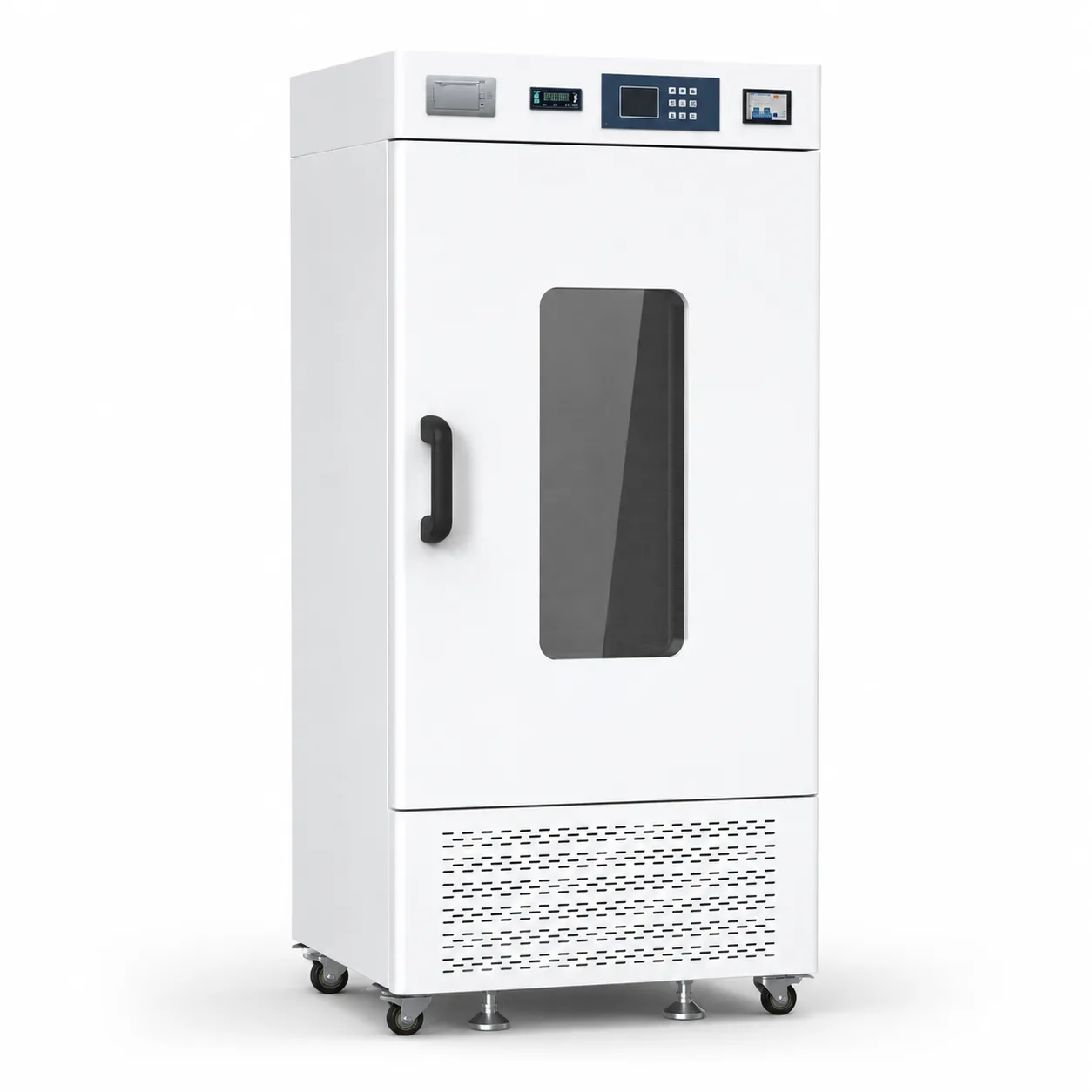
_Programmable_Temperature_Humidity_Incubator_Chamber.webp "WS(MJ) Programmable Temperature Humidity Incubator Chamber")