English
  Español
Laboratory drying ovens play an important role in modern laboratories by providing stable and controlled heating for moisture removal, sample preparation, and thermal testing. They are widely used in scientific research, pharmaceutical manufacturing, material analysis, and industrial quality control, helping improve experimental consistency, product reliability, and testing accuracy.
A laboratory drying oven is a precision heating device used to remove moisture from samples through carefully controlled heat and airflow. It provides stable, uniform drying performance, making it essential for scientific, industrial, and analytical applications where accuracy and repeatability are critical.
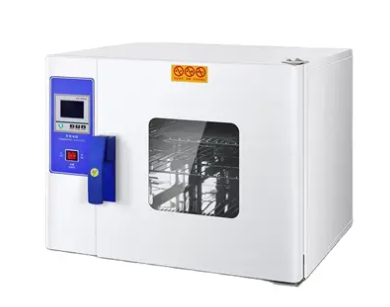
A laboratory drying oven works by combining a heating system with natural or forced air circulation to maintain a uniform temperature inside the chamber. As a heating drying oven, its operating range is usually between 50°C and 300°C, depending on the model and application.
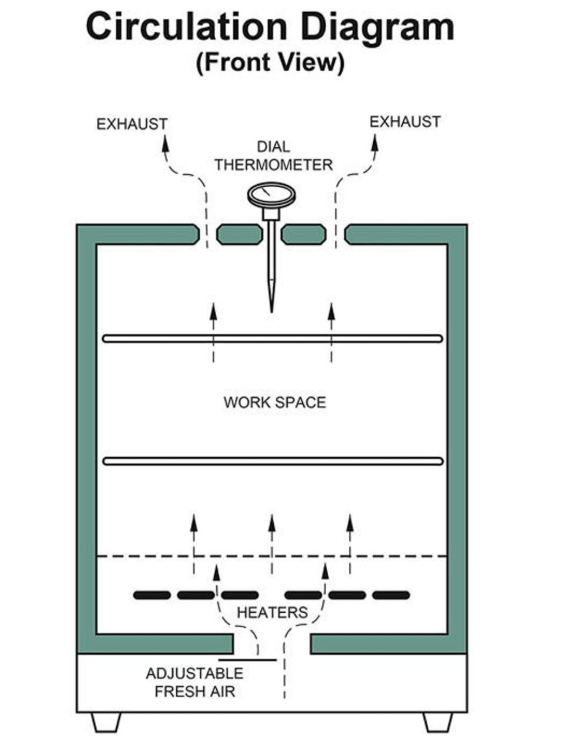
During operation, samples are placed in the chamber, where heated air gradually evaporates moisture from their surfaces. Gravity convection ovens depend on natural airflow, while forced convection models use built-in fans to circulate hot air more evenly and speed up drying, improving efficiency by as much as 30% to 50% compared with passive systems.
As the air continues to circulate, moist air is replaced by fresh heated air, helping maintain stable drying conditions throughout the process. Some advanced models also feature digital PID temperature controllers with an accuracy of ±0.5°C, which improves consistency and reproducibility for sensitive laboratory work.
Laboratory drying ovens are used in a wide range of industries wherever precise moisture removal and controlled heating are needed. In research labs, they are commonly used to dry glassware, heat non-biological materials, and prepare samples for analysis. In pharmaceutical manufacturing, they help ensure raw materials meet strict moisture limits, often as low as 1–2% residual moisture.
In materials testing, drying ovens are used to measure weight loss, assess thermal stability, and check composition consistency. Industrial quality control laboratories also rely on them to verify product performance and support compliance with ISO and ASTM testing standards.
They are also widely used in electronics, food testing, and chemical processing, where controlled dehydration is important for product quality, reliability, and safety.
Laboratory drying ovens are available in several configurations, each designed for different drying oven use scenarios and application requirements.
Requirements and application needs:
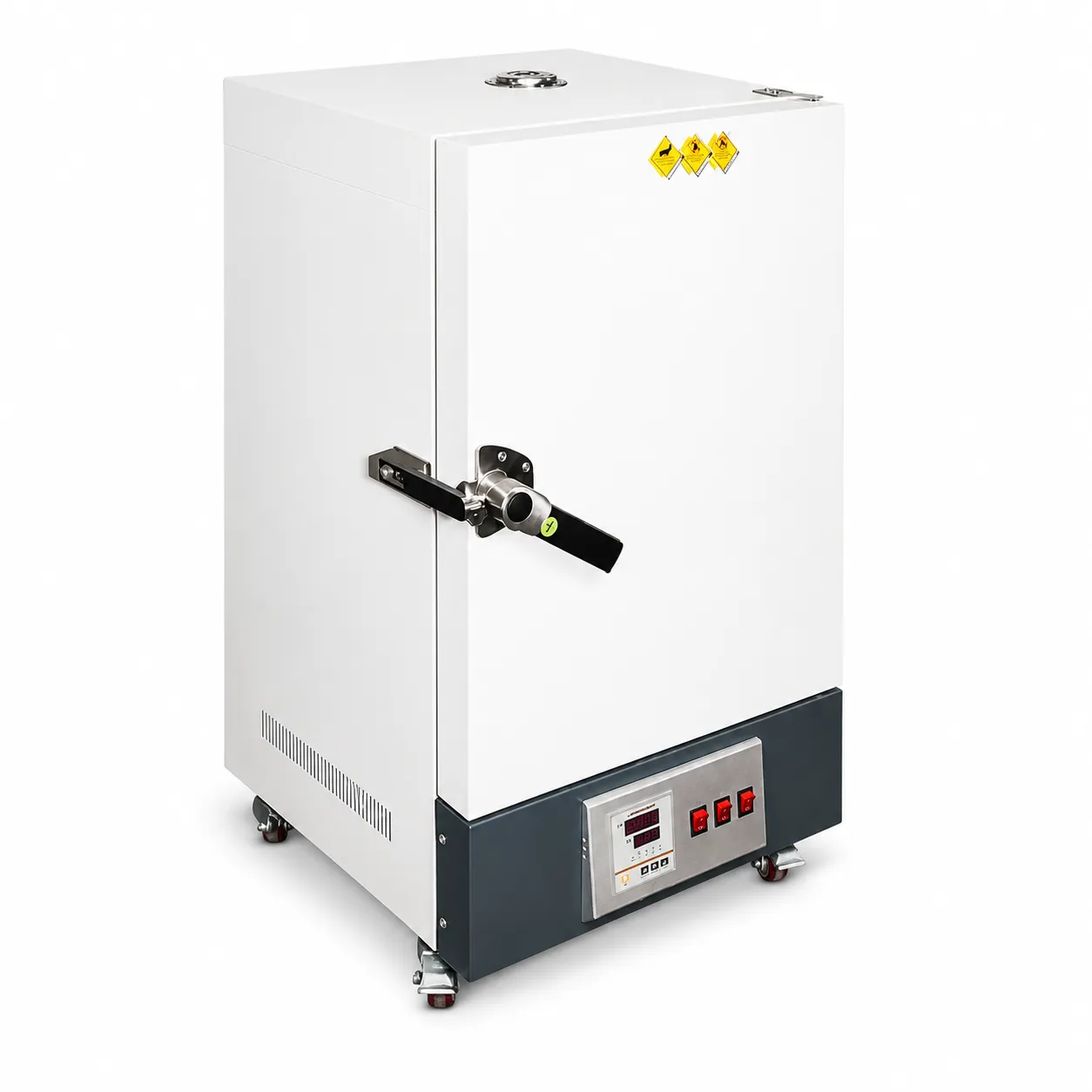
Gravity Convection Ovens: These ovens use natural airflow to circulate heat. They are suitable for gentle drying processes and heat-sensitive samples where minimal air disturbance is required.
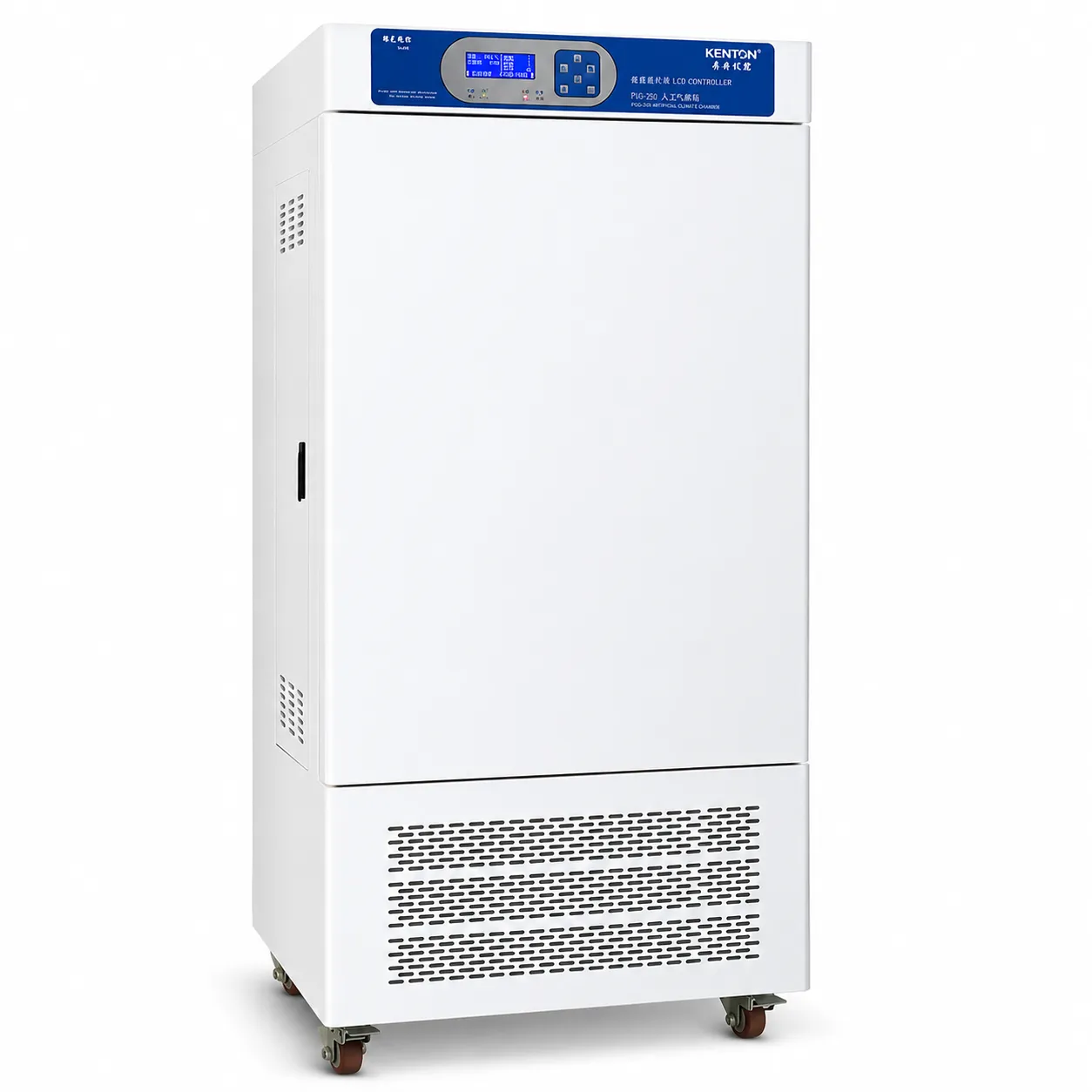
Forced Convection Ovens: Equipped with internal fans, these ovens ensure active air circulation, delivering faster drying speed and more uniform temperature distribution.
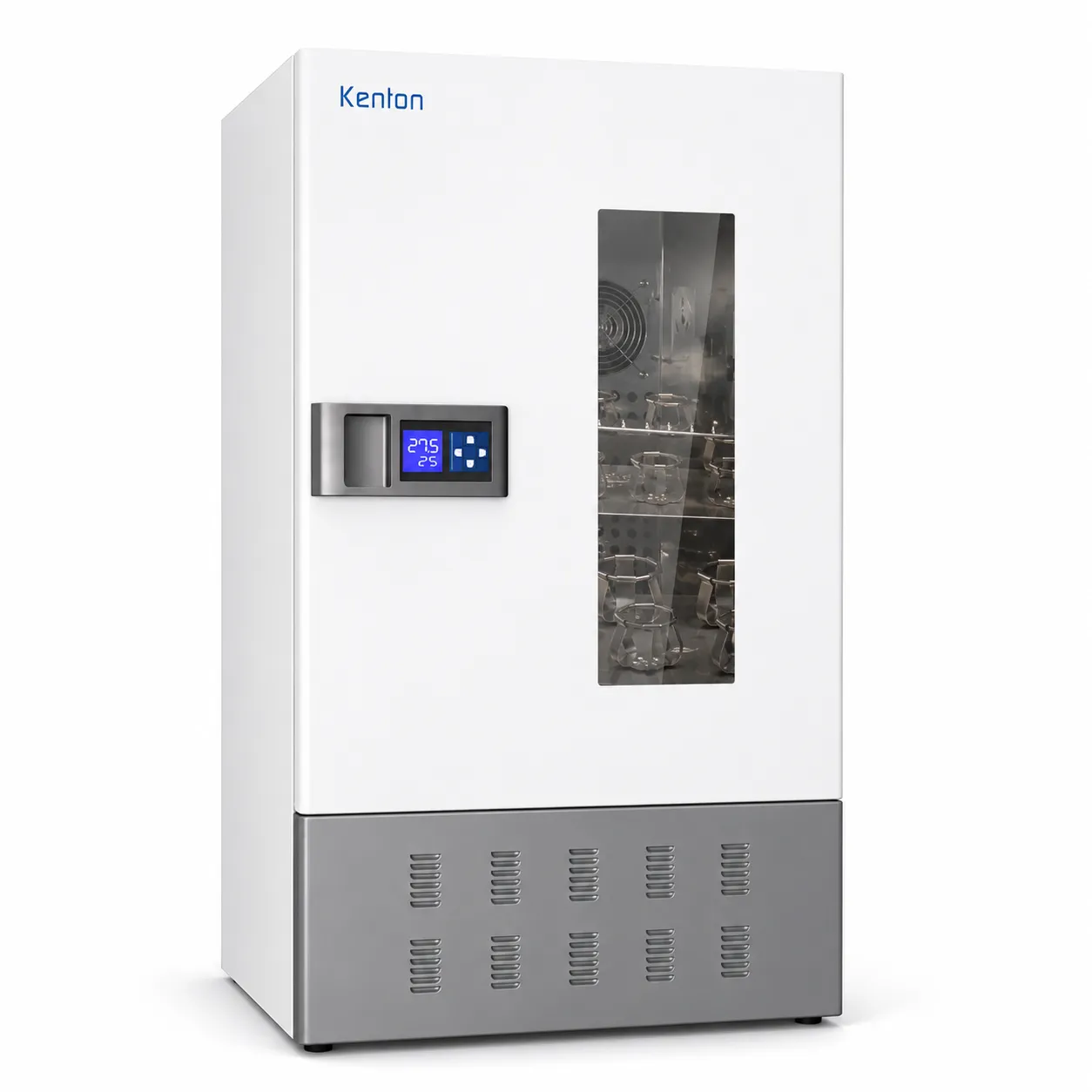
Vacuum Drying Ovens: Operating under reduced pressure, they lower the boiling point of liquids, enabling low-temperature drying and helping prevent oxidation of sensitive materials.
High-Temperature Drying Ovens: Designed for demanding applications, these units can reach temperatures above 300°C and are commonly used for material processing and heat resistance testing.
Each type differs in temperature uniformity, drying speed, energy efficiency, and suitability for specific laboratory or industrial applications.
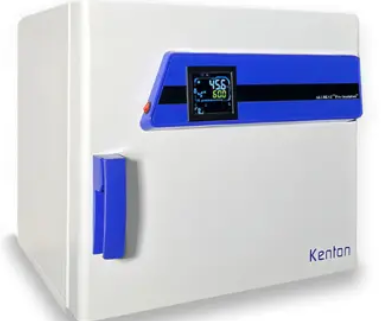
When selecting a laboratory drying oven, several key factors should be considered:
Chamber volume: Choose a capacity that matches sample load and laboratory throughput requirements.
Temperature range: Ensure the oven supports the required operating range, typically from 50°C to 300°C or higher depending on application.
Airflow type: Select between gravity convection, forced convection, or vacuum systems based on drying speed and sample sensitivity needs.
Temperature uniformity: High uniformity ensures consistent results, especially important for precision testing and research work.
Control accuracy: For sensitive applications, models with ±0.1–1°C precision are recommended to ensure repeatability.
Material construction: Stainless steel interiors are preferred for corrosion resistance, durability, and easier cleaning.
Manufacturer reliability: Choosing an experienced drying oven factory can help ensure product quality, technical support, and long-term operational stability.
Energy efficiency is also an important consideration, especially for laboratories with continuous operation. Modern drying ovens can reduce energy consumption by approximately 20–35% through improved insulation and intelligent temperature control systems.
For maintenance, routine care should include:
Cleaning the chamber regularly to prevent residue buildup
Inspecting heating elements for wear or damage
Calibrating temperature sensors to maintain accuracy
Checking airflow vents to ensure stable circulation and avoid overheating
Maintenance is generally recommended every 1–3 months, depending on usage frequency.
Comparison of Laboratory Drying Oven Types
| Type | Temperature Range | Main Advantage | Best Application |
|---|---|---|---|
| Gravity Convection | 50–250°C | Gentle drying | Heat-sensitive samples |
| Forced Convection | 50–300°C | Fast, uniform heating | General lab drying |
| Vacuum Oven | 40–200°C | Low-temperature drying, no oxidation | Pharmaceuticals, chemicals |
| High-Temperature Oven | 100–500°C | Extreme heat resistance | Materials testing |
How to Choose a Vacuum Drying Oven?
Vacuum Drying Oven Vacuum Degree Calculation
Surface temperature standard for Electric Heating Drying Oven
It is used to remove moisture or solvents from samples under controlled temperature conditions for laboratory and industrial applications.
Most lab drying ovens operate between 50°C and 300°C, depending on the model.
Gravity ovens use natural airflow, while forced convection ovens use fans for faster and more uniform heating.
Yes, but only for dry-heat sterilization of non-biological materials, not medical instruments requiring autoclaving.
Basic maintenance should be performed every 1–3 months depending on usage frequency.
They are widely used in pharmaceuticals, chemical labs, materials testing, electronics, and food research.
Laboratory drying ovens are essential instruments for controlled moisture removal and precise thermal processing in scientific and industrial laboratories. Proper operation, regular maintenance, and selecting the right configuration can significantly improve experimental accuracy, operational reliability, and equipment lifespan.
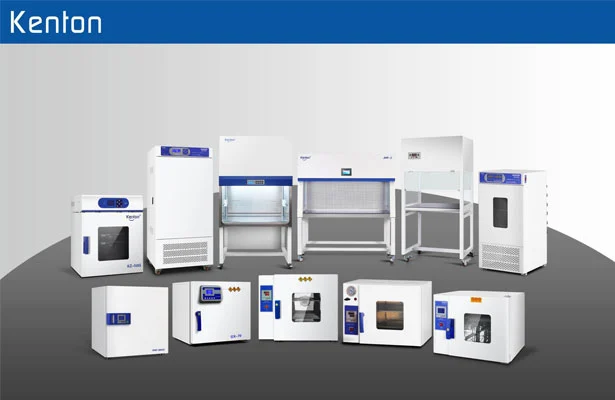
Kenton provides reliable laboratory drying oven solutions for research institutions, pharmaceutical production, materials testing, and industrial quality control laboratories worldwide.
Find your tailor-made solution—contact us today for a customized quotation.