English
  Español
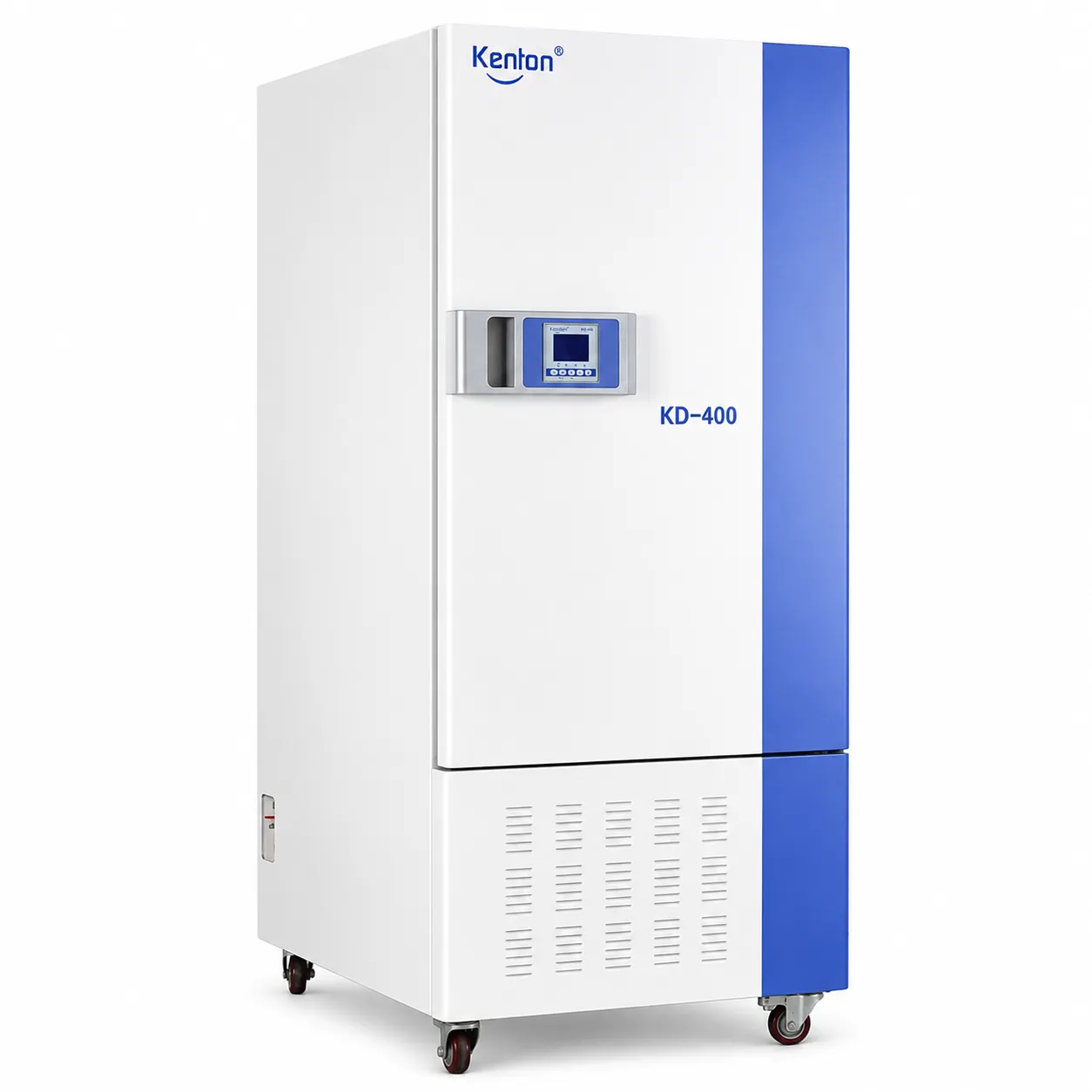
Artificial climate chambers are laboratory equipment designed to precisely simulate environmental conditions such as temperature, humidity, and light within a controlled and stable space. These systems are widely used in agriculture, biology, pharmaceuticals, material testing, and scientific research to provide consistent and repeatable conditions, supporting accurate experiments, reliable product testing, and controlled cultivation processes.
An artificial climate chamber creates controlled environmental conditions by precisely regulating temperature, humidity, airflow, and light.
An artificial climate chamber is built with integrated heating, cooling, humidification, dehumidification, and lighting systems to reproduce specific environmental conditions inside a sealed chamber. It is typically controlled by an advanced PID microcomputer control system, which works with high-precision sensors to continuously monitor internal conditions and automatically adjust parameters to maintain long-term stability.
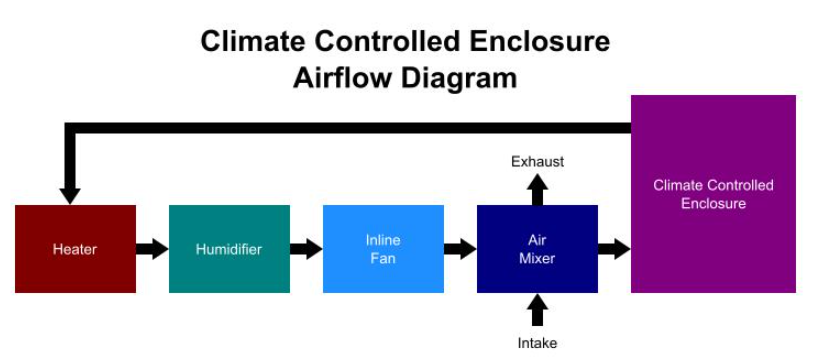
Most models offer temperature ranges from 0°C to 65°C, while humidity can generally be controlled between 50%–95% RH with an accuracy of ±2% to ±5%. LED or fluorescent lighting systems in a plant growth chamber can also be programmed to simulate day-night cycles, seasonal changes, or plant growth conditions by adjusting intensity and timing.
By simulating environments such as tropical, desert, cold storage, or accelerated aging conditions, artificial climate chamber allows researchers to conduct experiments under highly repeatable conditions. This significantly reduces environmental interference and improves the reliability and consistency of test results.
Artificial climate chambers support a wide range of laboratory and industrial applications by providing stable and reproducible environmental conditions for testing, cultivation, storage, and research.
These systems are designed to reproduce controlled temperature, humidity, and light conditions for a wide range of applications, including:
Agricultural research
Seed germination testing
Plant tissue culture
Crop breeding experiments
Controlled plant growth studies with programmable light and humidity
Pharmaceutical and biological research
Microbial cultivation
Drug stability testing
Vaccine storage evaluation
Biochemical reaction studies under constant environmental conditions in a stability chamber
Material science and industrial testing
Accelerated aging tests
Corrosion resistance testing
Reliability evaluation of plastics, electronics, textiles, and packaging materials
Universities and research institutions
Ecological environment simulation
Insect breeding programs
Environmental stress experiments
Food preservation and shelf-life studies
Compared with natural environments, artificial climate chambers significantly improve experimental consistency, reduce variability, and shorten testing cycles by maintaining stable and repeatable conditions.
Typical Applications Comparison
| Industry | Main Application | Environmental Factors |
|---|---|---|
| Agriculture | Seed germination & plant growth | Temperature, humidity, light |
| Pharmaceuticals | Drug stability testing | Constant temperature & RH |
| Biology | Microbial cultivation | Temperature & airflow |
| Electronics | Reliability testing | Heat & humidity cycling |
| Food Industry | Shelf-life studies | Temperature & storage humidity |
| Material Testing | Accelerated aging | UV, heat, moisture |
Artificial climate chambers integrate precise environmental control systems with flexible structural designs to meet a wide range of laboratory and industrial testing requirements.
Modern artificial climate chambers are equipped with advanced programmable systems for temperature and humidity control, offering high stability and uniform environmental distribution. Many laboratory-grade models achieve temperature accuracy of ±0.1°C and humidity control fluctuations within ±3% RH, ensuring reliable and highly repeatable experimental conditions.
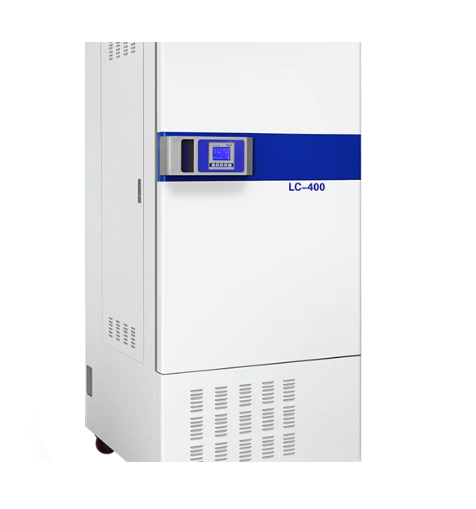
Core features typically include:
Intelligent PID touchscreen control system for precise parameter regulation
Multi-segment programmable operation for complex environmental simulation cycles
Automatic humidification and dehumidification systems for stable humidity control
LED plant growth lighting systems with adjustable intensity and photoperiod settings
Data logging with USB export function for experiment traceability and analysis
Over-temperature and safety alarm protection systems for operational safety
Stainless steel interior chamber design for durability and corrosion resistance
Energy-efficient insulation structure to reduce heat loss and operating cost
Main Types of Artificial Climate Chambers
| Type | Characteristics | Common Applications |
|---|---|---|
| Benchtop Climate Chamber | Compact laboratory design | Small-scale experiments |
| Walk-in Climate Chamber | Large internal capacity | Industrial simulation |
| Plant Growth Chamber | Enhanced lighting systems | Agriculture & botany |
| Stability Test Chamber | High precision control | Pharmaceutical testing |
| Constant Temperature & Humidity Chamber | Continuous environmental stability | Material testing |
Choosing the right artificial climate chamber depends on several key factors, including application requirements, environmental control accuracy, chamber size, and long-term operational stability.
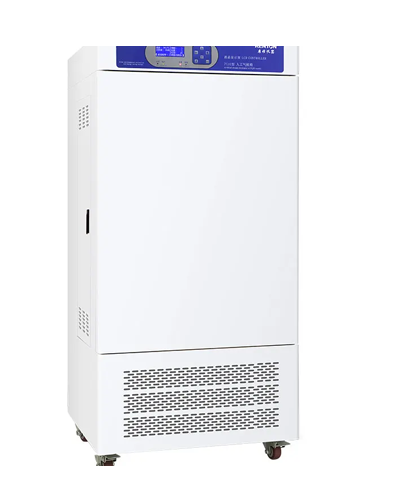
When selecting a model, laboratories should first clarify the required temperature, humidity, and lighting conditions based on their specific testing goals. For instance, agricultural and plant research applications often require programmable lighting to simulate natural or seasonal changes, while pharmaceutical stability testing in an artificial climate incubator places greater importance on high humidity accuracy and continuous, stable operation.
Key selection factors include:
Chamber size and usable internal space
Temperature and humidity control range
Lighting intensity and programmability
Control accuracy and environmental uniformity
Energy efficiency and insulation performance
Data logging and traceability functions
Safety protection and alarm systemsLong-term operational reliability
For large-scale experiments or industrial applications, walk-in climate chambers are generally preferred due to their higher capacity and flexibility. In contrast, benchtop models are better suited for universities, research institutes, and routine laboratory testing where space is limited.
Kenton recommends choosing systems equipped with reliable compressor units, stainless steel interior construction, and intelligent programmable controllers. These features help ensure stable performance, extended service life, and consistent environmental simulation results over time.
Kenton Apparatus Limited Launches Artificial Climate Rice Growth Chamber Products
A climate chamber is used to simulate controlled environmental conditions such as temperature, humidity, and light, allowing researchers to test product performance, stability, and durability.
A climate chamber works by using heating elements, refrigeration systems, and humidity control units to precisely regulate internal environmental conditions such as temperature and moisture levels.
Climate chamber testing simulates environmental conditions such as heat, cold, humidity, and aging to evaluate product reliability, performance, and lifespan before real-world use.
Common environmental test chambers include constant temperature and humidity chambers, thermal shock chambers, UV aging chambers, salt spray chambers, and xenon lamp aging chambers.
Climate chambers are widely used in agriculture, pharmaceuticals, biotechnology, electronics, food testing, universities, and industrial material research.
Most climate chambers operate between -10°C and 65°C, while high-performance models can reach wider temperature ranges depending on design.
Artificial climate chambers enable precise environmental control for laboratory and industrial applications, supporting research in plant growth, pharmaceuticals, and material testing.
Kenton provides reliable artificial climate chamber solutions for global laboratories with stable performance and tailored configurations.
Find your tailor-made solution—contact us today for a customized quotation.