English
  Español
A controller displaying 100°C does not necessarily mean every sample inside the equipment is experiencing exactly 100°C. Reliable performance depends on temperature accuracy, stability, uniformity, display resolution and recovery time.
| Specification | What It Describes | Why It Matters |
|---|---|---|
| Temperature accuracy | How close the actual temperature is to the target | Ensures the required temperature is achieved |
| Temperature stability | How much temperature changes over time | Maintains consistent conditions during operation |
| Temperature uniformity | Temperature differences across the working cavity | Ensures samples receive similar conditions |
| Display resolution | The smallest value shown by the controller | Determines how precisely settings can be displayed |
| Recovery time | How quickly temperature returns after a disturbance | Important after opening the door or adding samples |
Temperature accuracy describes how close the measured temperature is to the target temperature.
For example, if an incubator is set to 37°C but a calibrated sensor measures 37.4°C, the temperature difference is 0.4°C.
Accuracy may be affected by sensor placement, controller calibration, ambient conditions, sample load and measurement method.
Temperature stability, also called temperature fluctuation, describes how much the temperature at one location changes over time after the equipment has stabilised.
Good stability is especially important for:
Cell and microorganism cultivation
Biochemical reactions
Pharmaceutical testing
Material conditioning
Long-duration drying
A PID controller continuously adjusts heating or refrigeration output to help minimise temperature fluctuations.
Temperature uniformity describes how evenly temperature is distributed throughout the working cavity.
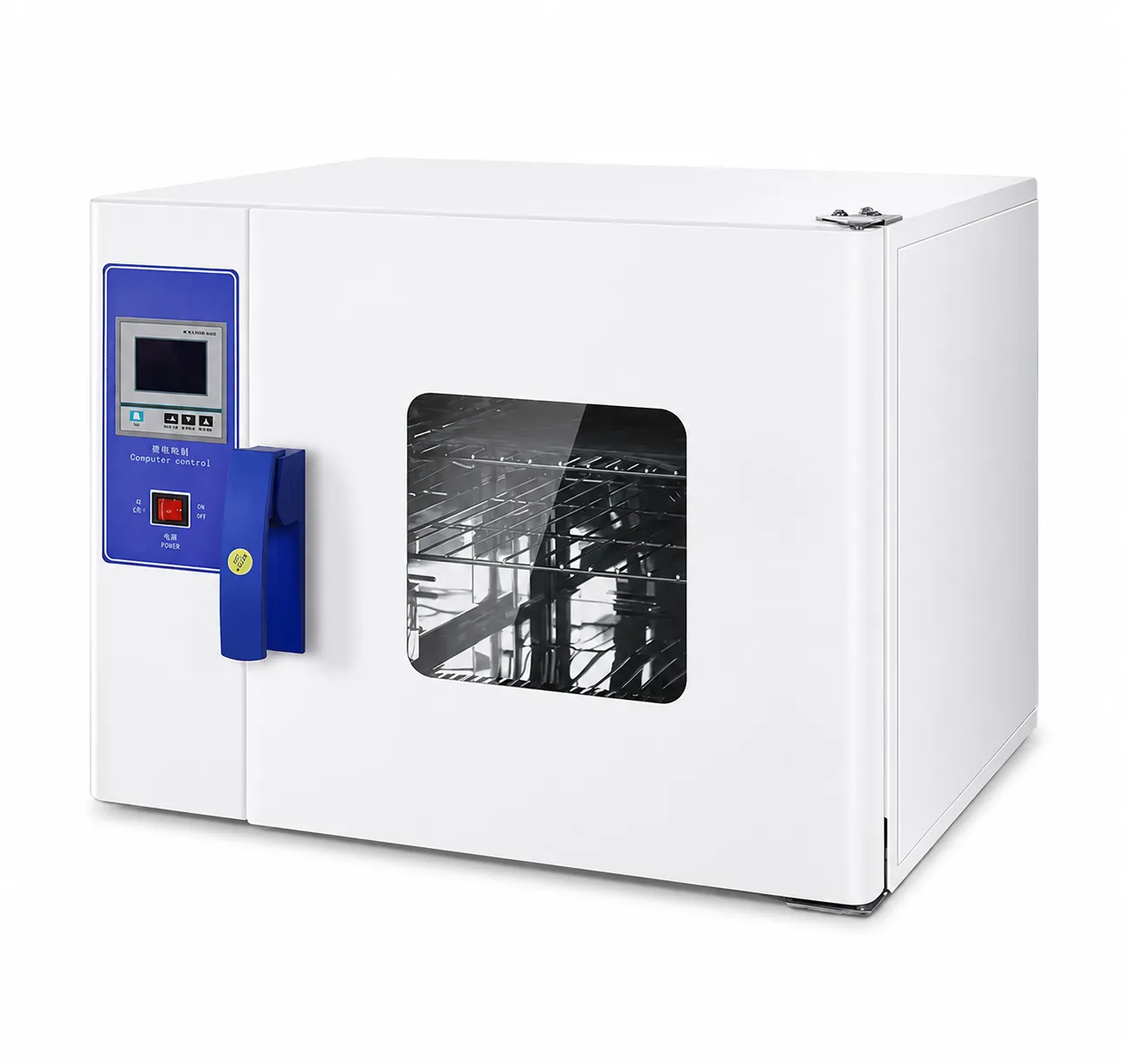
An oven may maintain 100°C near its control sensor while the temperature on other shelves is slightly higher or lower. Uniformity can be influenced by:
Air circulation
Heating element arrangement
Insulation
Cavity size
Shelf position
Sample quantity and placement
Uniformity is particularly important when several samples are processed at the same time.
A display resolution of 0.1°C means the controller can show temperature in 0.1°C increments. It does not mean the equipment has an accuracy of ±0.1°C.
Actual accuracy depends on the complete system, including the sensor, controller, airflow, heating system and calibration.
Opening the door or adding room-temperature samples can temporarily disturb the internal temperature. Recovery time describes how quickly the equipment returns to its set condition.
Recovery performance depends on heating or cooling capacity, insulation, door sealing, airflow and sample load.
Specifications are often measured using an empty cavity under controlled conditions. Actual performance may change when shelves, containers or samples are added.
Large or densely arranged loads can block airflow, increase heating time and create temperature differences. Buyers should therefore confirm whether specifications were tested with an empty or loaded cavity.
Before selecting a model, consider:
Required operating temperature
Acceptable accuracy and uniformity
Sample size and quantity
Required recovery speed
Empty or loaded test conditions
Number and location of measurement sensors
Calibration and data-recording requirements
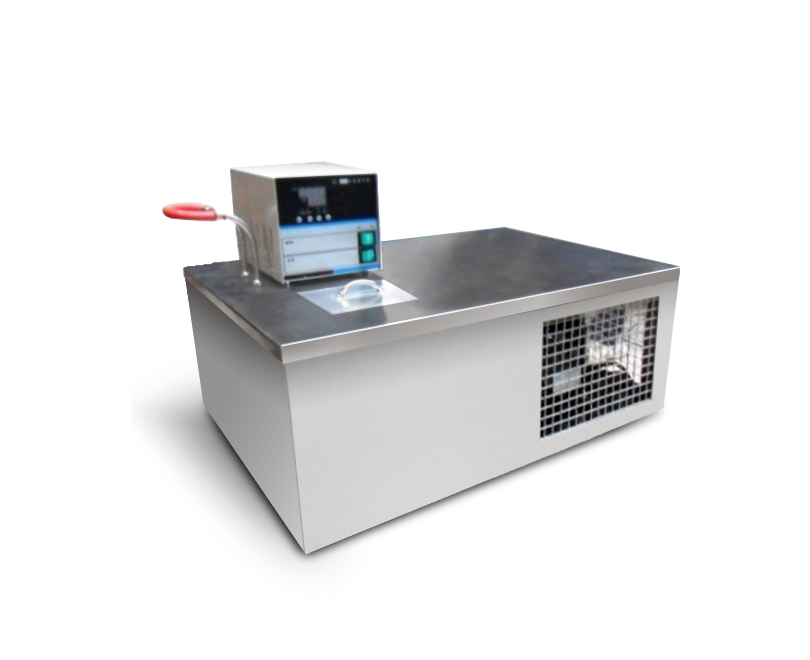
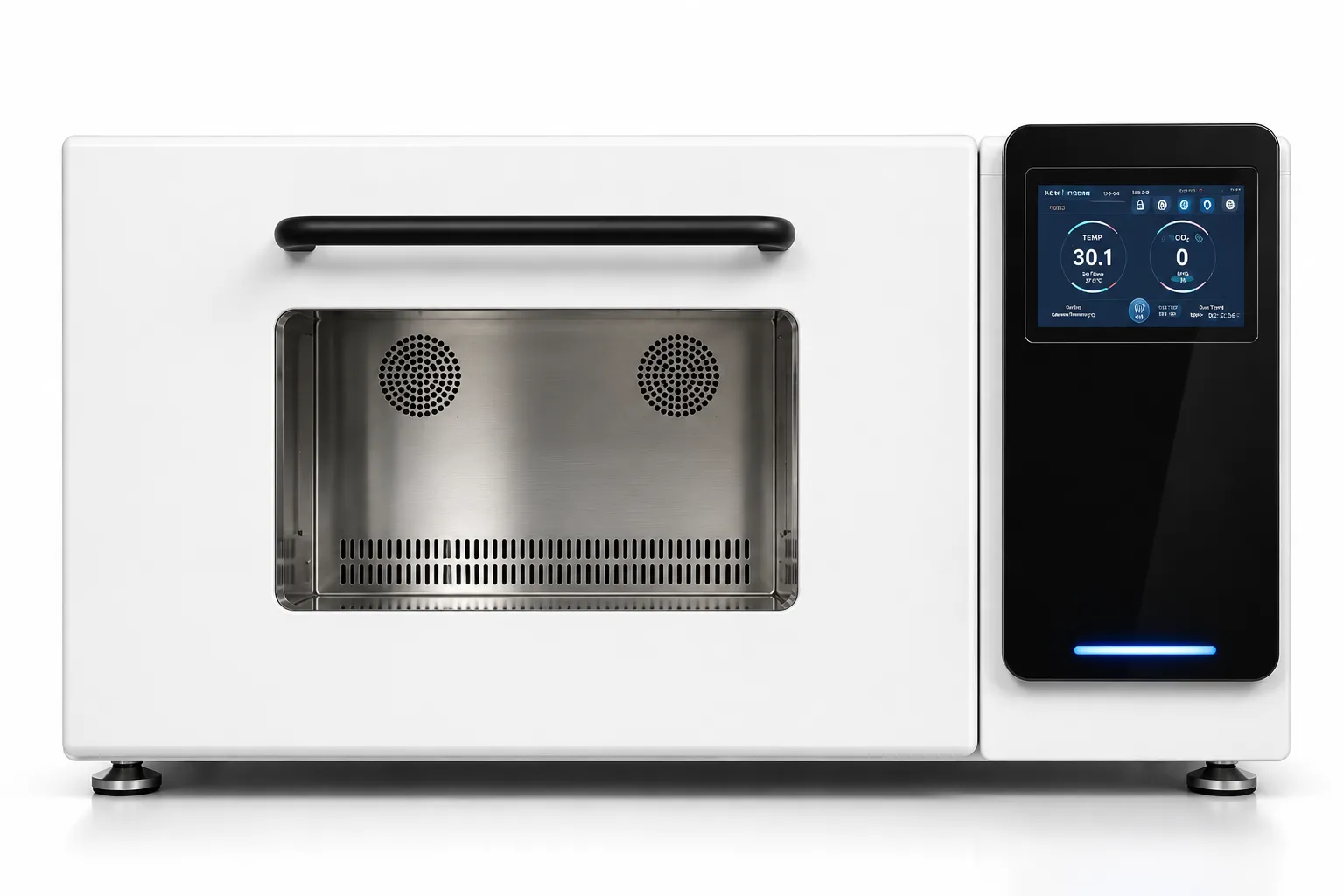
For a laboratory drying oven, airflow and temperature uniformity are important for consistent drying. For an incubator, long-term stability is often the priority. A temperature and humidity chamber must accurately control both temperature and relative humidity.
Allow enough time for preheating and stabilisation.
Avoid overloading the working cavity.
Leave space between samples for airflow.
Do not block air inlets or outlets.
Minimise unnecessary door openings.
Distribute samples evenly across shelves.
Inspect door seals regularly.
Perform routine calibration and maintenance.
Temperature accuracy, stability and uniformity describe different performance characteristics. Understanding these terms helps laboratories compare equipment correctly and maintain reliable testing conditions.
Kenton provides laboratory and industrial temperature-control equipment for drying, incubation, cultivation and environmental testing. Standard models and OEM/ODM solutions are available for different temperature ranges, cavity sizes, controllers, power supplies and application requirements.