English
  Español
Laminar flow cabinets and biological safety cabinets may appear similar, but they provide different levels of protection. Selecting the wrong cabinet can expose operators to hazards or fail to provide the protection required for an experiment.
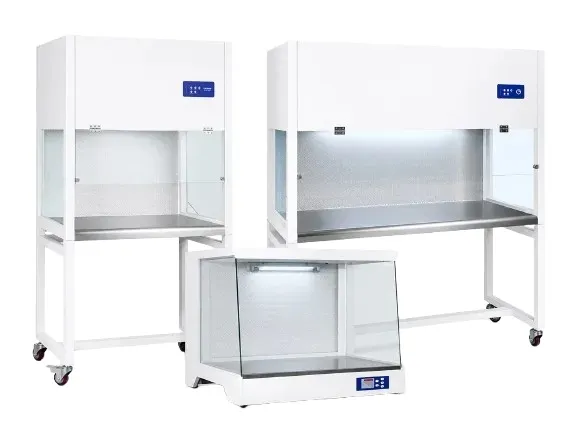
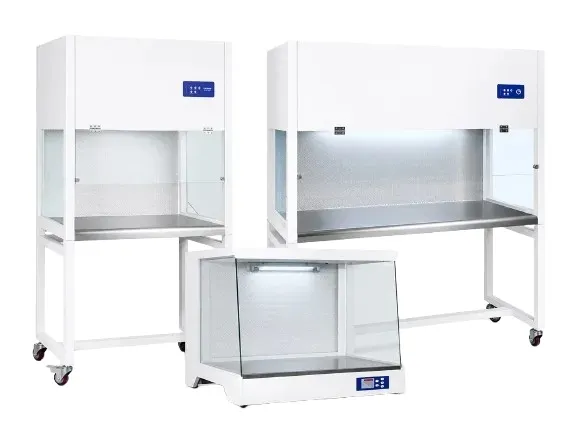
A laminar flow cabinet, also known as a clean bench, directs HEPA-filtered air across the working area. Its primary purpose is to protect samples from airborne contamination.
It is suitable for non-hazardous applications such as plant tissue culture, media preparation, sterile assembly, electronics, and other work requiring a clean environment. It should not be used for infectious, toxic, or sensitising materials because it does not protect the operator.
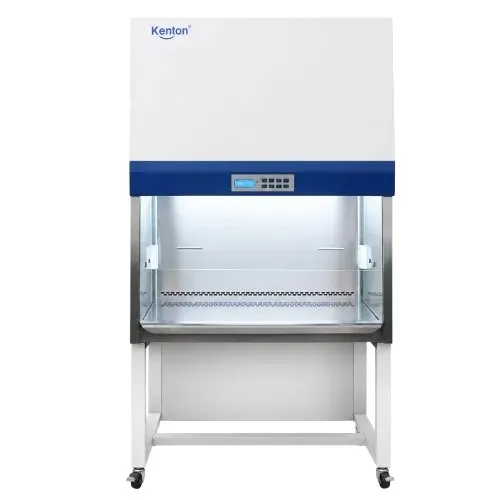
A Class II biological safety cabinet provides protection for the operator, sample, and laboratory environment. Inward airflow helps contain aerosols, downward HEPA-filtered airflow protects the sample, and filtered exhaust reduces the release of hazardous particles.
A2 biological safety cabinets recirculate part of the filtered air, while B2 cabinets exhaust all air outside. The correct type should be selected according to the materials, procedures, and risk assessment.
| Comparison | Laminar Flow Cabinet | Biological Safety Cabinet |
|---|---|---|
| Primary Protection | Sample | Operator, sample, and environment |
| Suitable Materials | Non-hazardous materials | Biological and aerosol hazards |
| Airflow | Clean air across the work surface | Inward and downward controlled airflow |
| Typical Applications | Tissue culture and sterile preparation | Microbiology, clinical, and biological research |
Choose a laminar flow cabinet when the main objective is preventing contamination of non-hazardous samples. Choose a biological safety cabinet when the procedure may create biological aerosols or expose operators and the environment to hazardous materials.
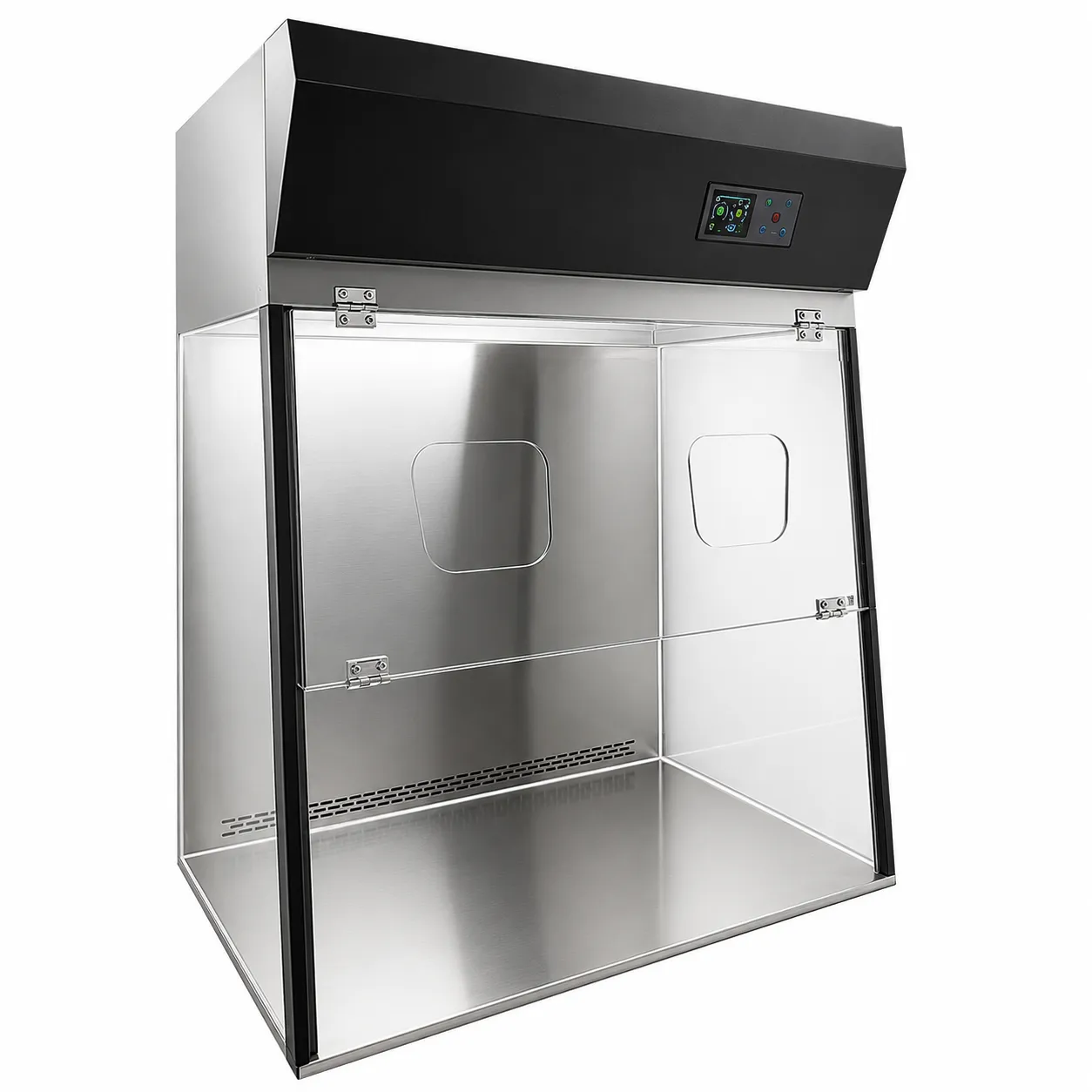
Neither cabinet should automatically be used as a chemical fume hood. Work involving hazardous chemical vapours may require a ducted or ductless fume hood with a compatible filtration system.
Kenton offers JH and SW laminar flow cabinets for clean sample preparation and A2/B2 biological safety cabinets for higher-level protection. Multiple sizes, airflow configurations, and control options are available to meet different laboratory requirements.