English
  Español
Small changes in the cell culture environment can affect cell growth and experimental results. A CO₂ incubator controls key environmental conditions to help researchers maintain consistent and repeatable culture processes.
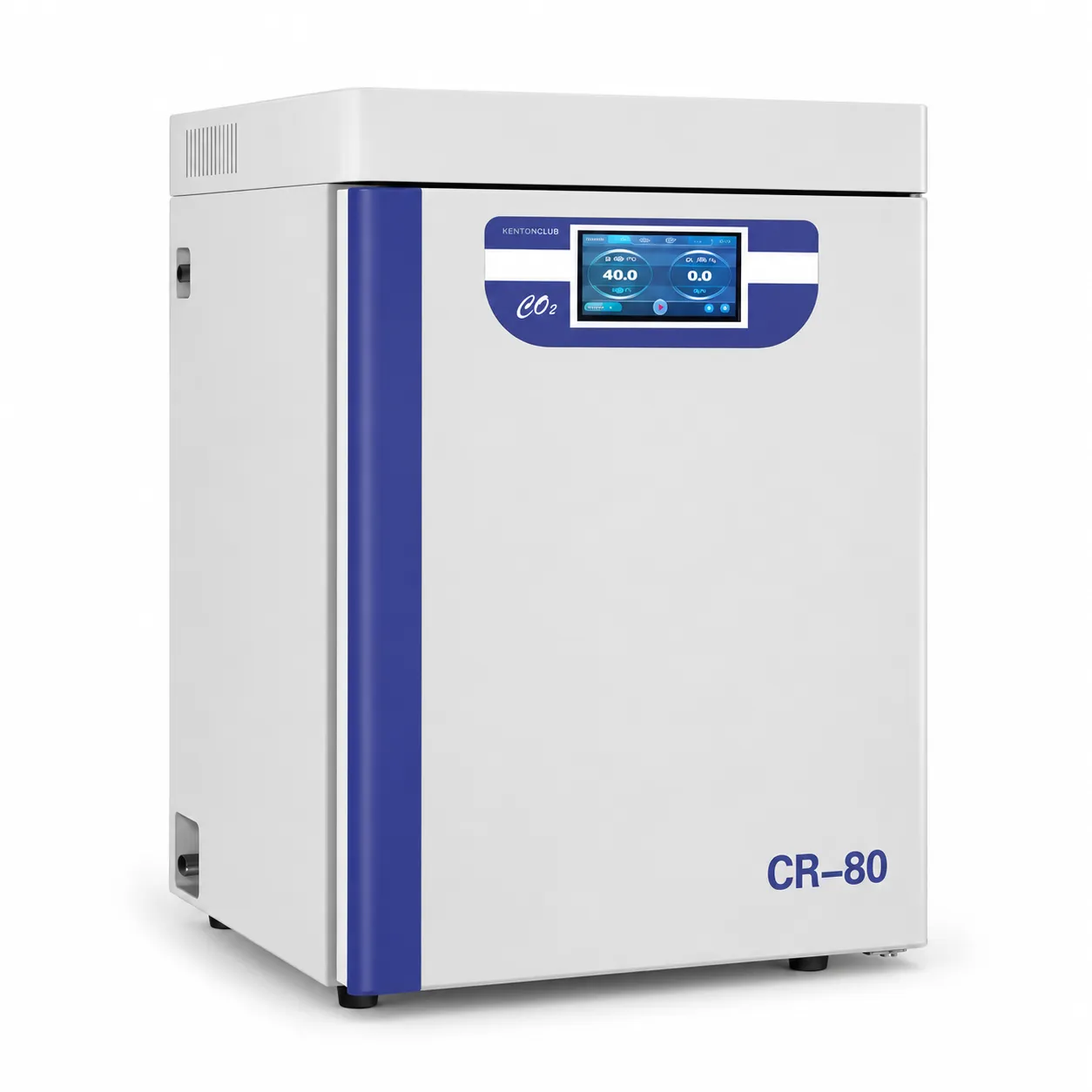
Many mammalian cells require a temperature and carbon dioxide environment close to physiological conditions. A CO₂ incubator uses a temperature control system and gas sensor to regulate the internal environment, helping maintain suitable culture conditions and medium pH.
High humidity inside the incubator helps reduce evaporation from culture media and limits changes in medium concentration. Consistent humidity is especially important during long-term cell culture and repeated observation.
A well-designed heating, sensing and airflow system helps reduce differences between different areas of the cavity. Faster recovery after door opening can also help protect samples from extended temperature and gas fluctuations.
CO₂ incubators are commonly used for cell culture, tissue engineering, stem cell research, medical studies, biopharmaceutical development and basic life science research. Since different applications require different capacities, shelf configurations and contamination-control features, the incubator should be selected according to the laboratory workflow.
When selecting a CO₂ incubator, consider the following factors:
Temperature range, accuracy and uniformity;
CO₂ concentration range, sensor type and control stability;
Working capacity, shelf quantity and container dimensions;
Cavity material, cleaning access and corrosion resistance;
Whether UV sterilisation, HEPA filtration, data recording or remote communication is required;
Safety functions such as over-temperature, gas-concentration and power-failure alarms.
After installation, the stainless steel cavity should be cleaned regularly, while the temperature and CO₂ sensors should be checked and calibrated according to laboratory requirements. Long-term culture applications also require regular inspection of the water tray, door seals and gas supply system.
Kenton provides CO₂ incubators and other laboratory culture equipment, with customized capacity, control, material and configuration options available for different applications. Kenton also supports OEM and ODM projects. Feel free to contact us.